


With a deep understanding of your business alongside clear and honest communication, we help clients face challenges fearlessly.
Learn more about our services and how we help clients.



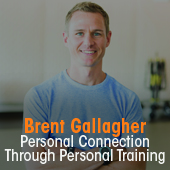
Brent Gallagher, Co-Founder of Avenu Fitness, a Health and Lifestyle fitness center with two locations in Houston talks about his philosophy on maintaining a healthy lifestyle. He shares how he incorporates small-town values into a unique workout experience, with the goal of making a healthy lifestyle sustainable.
Transcripts are generated by machine learning, so typos may be present.
Chris Hanslik: Today’s guest is Brent Gallagher. Brent is the co-founder of Avenue Fitness, a health and lifestyle fitness center with two locations in Houston. and offers virtual workout sessions as well. Brent’s philosophy on maintaining a healthy lifestyle stems from his own experiences and trying to stay fit. That philosophy is based on three promises. Your health is unique, your goals are attainable, and healthy is convenient. With that in mind, every workout session at Avenue is only 30 minutes and it’s led by a personal trainer. Welcome to the podcast, Brent. Thanks for having me. I think we know that your business is fitness, but is there another way you would describe what your business is or what it does?
Brent Gallagher: Yeah. I mean, I think the elevator pitch here, coming up to your 14th floor, I would simply tell you is that we help busy leaders fit in a healthy lifestyle, whether that’s through our quick 30-minute workouts like you were talking about. uh, whether that’s helping them understand kind of the difference between their, their cardio, you know, kind of like, are they just going out to, to kind of burn off some steam and kind of get that stress out of the, out of their head versus I need to go sweat. I need to kind of understand the differences in them all. Cause sometimes we get lumped into this, I’m just going to run my three to five miles, I’m going to jump on my bike and go for 45 minutes, and we’re just doing the same thing over and over and over again. So we help people try to understand, hey, there’s an efficiency part of it all that can help you get the goals that you’re looking for. A lot of people are looking to lose a little bit of weight, feel a little bit better, but then also do as well from that mental side of it, the stress that we carry as leaders on a day-to-day basis. That is something that you can’t just burn off when you go home in the evening. Sit down and watch TV or something like that. Engaging with the family. That’s hard to get that out of the head. So sometimes that physical outlet. Be an understanding that, hey, I can go for a run, but I’m going to structure it in a certain way that’s really going to just get everything out of the day. That was built up. A lot of fires at work or stuff like that. I need to burn it all off. Or it’s something that you’re like, man, Today, I just need to focus on I’ve been eating crap over the last couple weeks. I really need to focus on sweating things out a little bit. We help people understand there’s a difference in things when it comes to your working out, when it comes to your cardio, what we like to call your conditioning program, and then also food and sleep, helping people think that it’s not all about tracking every single calorie that you eat. It’s not talking about tracking every step that you take. It’s about getting back to the basics of what it means to live a fit and healthy lifestyle. And I think taking that consistently day in, day out, you know, kind of as you move forward versus jumping from one program to the next program to the next program to the next program and then complaining that nothing ever works. So again, if we had a business philosophy where we change something every two to three weeks, you know, you would say, well, that’s not very good business. But yet we do that with our health and we do that with our workouts and our nutrition and we don’t think anything of it. So again, we want to be something that is just a constant. And I think in being that kind of true north for leaders, whether you’re a leader at work, whether you’re a leader at home, or both places there too as well, it gives people, I think, the confidence to know that, hey, look, I’m doing enough. What I am doing is going to get me to my goal if I stick with it over the long term.
Chris Hanslik: That’s great. So kind of taking that. As the backdrop of your philosophy, I guess, what was the inspiration for starting Avenue Fitness?
Brent Gallagher: I think some people start restaurants because they love to cook. Some people love to start bars because they love gathering with friends and having a few drinks and just having a good time. Behind all that, what it is is people love to connect with people. They love to serve. They love that people come in and they have a certain experience whether they come into their house or go into a restaurant or something like that. They love to create that environment where complete strangers can come together and they get to know each other and all of a sudden there’s a friendship that develops. Or there’s the regulars that always come in at these set times and they start to see each other, especially in a city like Houston, they start to see each other out and about. And they know that that connection happened kind of at their place of business. And I think that’s the same thing for me is that I’ve always introverted heart, never been like the outgoing person, the one who wanted to be right in the middle of everybody, you know, kind of talking it all up and whatnot. But I love to kind of be present there with it. I wasn’t somebody who was just sitting at home reading books all the time. I was out and about, you know, kind of with him. But I love more than anything is like listening and kind of connecting dots and seeing, hey, man, this friend should get to know this person over here. You know, and it’s just this love of understanding people are walking into a gym and they don’t feel very comfortable. And I knew that, you know, from my background growing up in the sports world, going in and out of gyms all the time, there was a lot of comfort there for me. But knowing a lot of people had bad fitness experiences with like Coach Jones in the seventh grade, ran them into the ground and they swore off. They’re like, you know what? I’m never going to do this ever again. You know, where that freshman 15 became the lifetime 30, that it’s just lingering with them. And then man, back in high school, I was like this. Back in college, I was like this. And then I gained the weight. Or they most recently had a fitness scare, whether it was a heart attack or some kind of mild stroke or something, or they had a friend that that happened to. And you get all these people that have a lot of angst inside them that they know they need to do something, but they’re not comfortable enough to ask for help. And I think that for me was something that in playing sports, again, you always have to ask for feedback. You’re always getting that constant kind of repetition from coaches. So I started to learn to just go, man, there’s a way that I can use my quiet tendencies as a leader, but then also my abilities to kind of connect dots and see patterns and go, man, I can really help this one person. feel really comfortable if I create this type of environment and stuff. So, but that’s kind of the the forward side of it all. Behind it all, you know, it was sports for me were my outlet, you know, as a kid growing up. And then it got to where it was running and working out, you know, kind of when sports finished after college. And then it was one of these things where, you know, as I kind of slow down with working out and running a lot, I shifted all my mindset into building the business. And if I look back through all those years, you know, sports, fitness, working out, running was my outlet. Some people might have turned to drinking, some people might have turned to smoking, or whatever it might have been, to food, to what. But for me to cope with things, it was running. It was working out. That was my solitude, that was my peace, that was my silence that I found to really help me get through any hurdles and stuff that I was facing. So as I started to put that together and then started to look at what I would truly love to do, there was this connection between here’s the science of what I’m doing, here’s the art of what I’m doing, and started to realize, man, if I create this kind of unique experience where somebody walks in the door, that feels almost like a cheers mentality. Norm walked in the door, everybody said, Norm, but no matter how Norm felt when he walked in, he always felt better when he walked out. You know, there was common people that were there. I don’t know what this says about me, you know, watching as a child, watching a bar movie. We all watch Cheers, you know. But it is one of those things you go, I mean, you create that type of environment where in a big city, people feel like they’re in a small town. I grew up in a small town. You got to know everybody. You knew everybody at the grocery store. You knew everybody where he went. And that was kind of just been my drive to say, hey, you know, look, what was easy for me as a kid and what’s been easy for me as an adult is using fitness as my outlet. And then what I want to do is say that the practice of things, of helping people feel comfortable when they’re walking through the doors, help them go, man, I can find some joy in doing this. Because a lot of times people don’t find joy in going to the gym and sweating it out and stuff and the soreness. But we go, you know what, if we can figure out how to make this something that’s a little bit more sustainable for you, you know, next week, next month, next year, 10 years from now, you’re still going to be at this. And it’s not going to be one of these short-lived, you know, I’m going to do it for two weeks, I’m going to do it for six weeks, and then all of a sudden I’ll fall off the wagon. So, yeah, there was this love of, hey, can we make something last? And, you know, I’ve kind of used my ways of doing things growing up and figuring out, hey, let’s put a little science behind it and then let’s turn it into an art form.
Chris Hanslik: That’s great. So I want to be very clear for those people out there listening, there is no alcohol served avenue despite the reference to Cheers.
Brent Gallagher: That is true. Now, some people still come in with alcohol coursing through their veins the next morning, but there is still that.
Chris Hanslik: Yeah, I might know some of those people. So then it sounds like kind of the inspiration to maybe summarize was you wanted to create a safe place that created a community for your clients.
Brent Gallagher: And I think community is being thrown around so much right now, especially in the fitness world. Everybody’s like, oh, we’re creating this community, community, community. And I look at it and say, I never created something to people wanted to belong, to be part of, to become part of their identity, I wanted it to be something that’s just part of their day. Because a lot of, again, in the fitness world, people will look to different brands to say, this is my identity. This is who I am. I am part of this group here. For us at Avenue, it was never to say, hey, I want you to say that Avenue is part of your identity. I think it’s just part of your day. Again, you come in, you go in, you get your good experience, you get your workout, you feel good, you feel better, you’re on throughout your day. It’s not you come in, you linger, because it’s just this, I can say it in a nice way, that it is, you’re not looking for us to lean on, to find any sense of identity for yourself. You just say, hey, this is part of my life. move on to the next thing. Some of us do linger though. Yes, some of us do linger, which is awesome, which is great. But again, it’s part of your day. It’s like going to the coffee shop, Dairy Queen, you know, during the school week and you get all the old guys there, grab them together to drink some coffee and have some fun.
Chris Hanslik: So for you, in building this type of business and the industry you’re in, what do you think some of the key things are in order to kind of have a successful I know it’s more than a gym, but let’s say something in the fitness industry.
Brent Gallagher: Well, I think this past year of COVID has really shined a light on our industry from the standpoint of we were the dirtiest place in the entire world. I mean, like that was, that was a spotlight that was shined upon us because I mean, if you look at it, our industry is still very young and it has a lot of bad rap. It’s obviously a very dirty place and not just in one setting, but it seems to be everywhere. that that was kind of the common thing was that gyms are just dirty. Most times when you do go to gyms, you look underneath the dumbbell racks or you see sweat stains everywhere. Cooling this was not part of the description of most gyms that were out there. But I think for us, again, speaking only for Avenue, this is my wheelhouse as far as what I feel that makes us truly successful. We look at it from a hospitality standpoint, a self-awareness standpoint, and then just a consistency side of it all. The hospitality is like, you know, you think mainly hotels, restaurants and stuff, what not, but for us it is a service business. It is people. You know, we have people walking in and out our door all day long. Our service is a relationship. It’s a feeling that you have when you walk in the door. It’s a feeling that you have when you walk out the door. is the connections that you make throughout that time. Do you feel known? Do you feel valued? Do you feel trusted when you walk into our door? I think that’s what we’ve hung our hat on is more than anything is like, can you take this, I guess if you will, small town hospitality and bring it to a big city to where some people maybe never experienced it ever before. But there’s others that are like, man, I missed that from when I was a kid. I used to walk into this store, or I used to go to the local drug store and pick up something. They all knew me, they knew my mom, they knew my story, they knew my kids. And that’s the type of environment that we try to create from a hospitality standpoint. The self-awareness side is within our team. We can’t serve someone. We can’t know someone on the other side that we don’t know ourselves. So how do we show up? What’s it like to be on the other side of me when I’m coaching, when I’m leading, when I’m talking to somebody new when they walk in our door? What’s it like for me when I’m stressed? How do I show up as a leader? Because if you think about it, I’ve got a community of probably 50, 60 people that I lead, not on my team, but as a community of clients. And all my teammates have 50, 60, 70, some have up to 80 and to 100 clients that they are leading on a monthly basis. That’s a small unit. It’s a pretty big unit, I think, in a lot of business sectors. You think about, you know, I’ve got 20-year-olds, 30-year-olds that are leading these people. And most of them, like yourself, successful business people, they’re coming in. Their job is to basically size things up for a living. And if they walk in the door and they see that the leadership capabilities of my team aren’t up to par, regardless of the workout, but is that leadership experience that they’re having when they walk in, they’re going to go, this isn’t worth my time. Not in a rude way, but it’s like I could be more efficient, I could, you know, my time is better suited elsewhere. So again, we’re trying to make sure that we build that self-awareness aspect in with the team, because I need to know in a small group setting, you know, how do you show up to the setting? How does somebody else show up? How do my words affect both of you differently? So again, we always make reference with the teams. If I’m speaking English, you speak Spanish. If someone else speaks Chinese, there’s a lot of disconnect going on. But if I know that I can go over to this person and start to speak their language, it makes them feel comfortable, even in a group setting. So again, we’ve tried to take that kind of… small town feel, create comfort where you feel known and valued and trusted. And then the consistency is just we show up and are we the same person day in, day out? Are we the same person at 5 a.m. in the morning versus the same person at 5 p.m. that afternoon? Is it your first session or your 10th session or we have a lot of people now coming up on being with us for 15, 16 years. Are we still delivering a great experience after all these years and are we constantly getting better? Not leaps and bounds better, but each time they come in they say, you know what, that was a little bit better than last time. That was a little bit better last time, to where I think those three all combined together make kind of a unique experience that is unique for us at Avenue. So when somebody comes in, they can go, wow, that was enjoyable. I would actually like to go back there and do that again.
Chris Hanslik: That’s great. thinking about the business itself, can you identify, share a story with us, like kind of a setback, a major setback that you encountered when you started or as you were, as you’ve been running it now for over 15 years, and how you, what you did, how you overcame it, what the learning was from it.
Brent Gallagher: So, I mean, obviously you can look at COVID and say there’s so many lessons that we can take through with COVID, but one that does tie into COVID, I think back to our, before it was even started, you know, I kind of like searched for this location forever, finally stumbled upon the right location, kind of went through all the steps to take to kind of get the lease agreement signed and everything like that. At the time, I had no money. I was 25. I was picking up law books at the bookstores as leases for dummies. I was reading them and I was trying to do my own self kind of in the lease agreement. So again, you don’t have any money. I wasn’t making hardly anything coaching soccer at the time. So I had to kind of bootstrap everything. I had one client I was working with in person at his home. Kind of in hopes that one day then, you know, I open this location and I can bring him over to where we’re at. So I get the lease from my landlord. He says, hey, you know, look, you know, your build out is going to be $16,000 because I asked him to kind of just roll it in. And he says, yeah, we can do the build out for you, but I’m sorry that we can’t roll your expenses into the lease. I’m going to need that money upfront. And he told me this because I think probably he realized that I was young and didn’t have any money and wasn’t looking too promising for him at the time. He told me this on a Monday. He says, hey, I’m going to need that money by Friday. And I was bummed. I mean, I was just completely destroyed because I was like, man, this is exactly a perfect location. I go Tuesday morning over to my client Steve’s house. And we get done with the session. He said, hey, you seem off. What’s up? And I told him the story. He said, $16,000 by Friday. And he said, man, you got like a rich uncle, parents, something that you can sell. I was like, I have nothing. I have a bunch of furniture. My truck is old. I have no bikes. I have nothing of value whatsoever. And he’s like, man, I hope that really works out for you. I go back over to his house on Thursday, literally like 24 hours before I’m supposed to hand over this money to the landlord. And we get done with our sessions. And he says, hey, before you go, I got something for you. I was like, what’s up? He said, there’s an envelope over there on the counter. I go pick up the envelope and open it up. Inside was a check for $16,000. Wow. I looked up and I was like, Steve, I can’t. I can’t do this. I can’t take a loan from you. I said, I don’t know if I could ever repay you. He said, it’s not a loan. I said, well, I don’t need a business partner. I said, I don’t know how all that works. I said, because I don’t want a piece of your business. I don’t want a handout because my parents taught me better than that. I said, I want to work for this money. He goes, I don’t know. This isn’t a handout. I said, but what is it? He goes, well, how much training can I get for $16,000? He goes, just look at this as a prepayment for my training. And it was at that moment, there was 24 hours before I get this kind of like just godsend moment of like the door was opening because I was constantly pushing forward. I did not sit back and go, when I got that bad news, I didn’t stop and go, okay, well, you know, ho on me, I shouldn’t do anything about it. I just kept pushing forward. Not knowing what was going to happen, you know, again, in the Bible it talks about, say, hey, the doors of opportunity are open to those who continue to keep knocking. And we knocked and knocked and knocked, Rob knocked and knocked and knocked, and it opened up for me. We fast forward that 15 years here to COVID at the start of COVID. We were trying to figure out what the heck’s going on. We’ve never done anything outside of in-person sessions and we’re about to get the order to say, hey, everything’s got to shut down. And as opposed to sitting back on our heels and just waiting for something to be told to do and said, hey, this is the way you got to do it. We aggressively stepped forward and said, we’re shutting our business down early before we spend the whole day kind of like planning, mapping out everything that’s going to happen. And we’re going to come back with a plan to be able to move forward into COVID with all this stuff. And as we did, as we reopened again, we came back as a virtual company and virtual training company, which at the time was crazy because we didn’t know how this is going to happen. We’re going to do FaceTime. We’re going to do Zoom. How are we going to do this? Just call somebody on the phone. But we just kept moving forward, moving forward, moving forward. And we started with 20 people the first day. Then it grew to 50, then it grew to 100, then it grew to 200. And then now since then, since we started way back on March 18th of last year, I think we’re north of probably 25,000 virtual sessions that we’ve done, all because we just kept moving forward. And we didn’t sit back and wait for someone to tell us what to do. We didn’t sit back and go, for us, what’s going to happen to us. We just moved aggressively throughout it all. So I think the biggest lesson learned is just keep moving forward. Things might break, things might fall apart, but as long as there’s continuous movement and you’re looking for ways to connect those dots, say, hey, you know what, this isn’t working over here. This is, let’s try this. And I think when you have a team behind you that believes in the same thing too as well, because we’re all setting our north in the same direction, things tend to work out for the better.
Chris Hanslik: That’s right. And I would assume now, I mean, the learning from going virtual has expanded your reach.
Brent Gallagher: Yeah. No, I think it’s doubled, it has helped us to double down and understand like who it is that we truly are. I mean, this is, I didn’t do a lot of business classes in college, but you know, one of them is, you know, kind of like create your mission statement vision and, you know, all those little things. And I did it. And to be honest with you before COVID, we didn’t really look at it very much. Like a lot of companies, you do it, you put it in a, you know, in a corner, it collects a lot of dust. or saves up on your computer file somewhere. But at the beginning of it all, when we shut down, we took it out and we said, okay, what do we stand for? And what do we as Avenue, what do we stand for? The one thing we, our vision, our purpose, our mission, whatever, behind it all, is simply to make a healthy lifestyle sustainable. And we said, okay, every question or everything that we do throughout the next couple weeks, months, obviously, you know, a year and a half, whatever, is going to be based around making a healthy lifestyle sustainable. So we turned it in as a kind of like a defining question and we says, will this make healthy lifestyle sustainable? And so that helped us jump online for the virtual stuff that helped us with lending out equipment that helped us giving away all of our equipment. um you know kind of at one point in time thousands of dollars worth of equipment to our clients to say hey you know what thank you so much for trusting us to invite us into your home throughout all of covid virtually um you know to say thank you the only way that we can do that is to just to gift you all this stuff um and to say that we would not be here today if it was not for you trusting us to get online. So everything again, like you said, is we use that as like our filtering question. Now that we’ve reopened our doors, it’s still that question. We say, hey, if we’re going to do this, is it going to make things sustainable for our team, for our community of clients that we’re serving, and I think overall for the brand as well.
Chris Hanslik: Great stuff. Great stuff, Brandon. I thought it was pretty amazing when you gave the equipment away and bought all the equipment. It’s like dual purpose, right? Yeah. You said it’s all clean and new. Maybe you’ve already answered this, but… I’m curious to know, is there anything that you’re doing currently or have done, obviously maybe in the past year that you would say is innovative in the business?
Brent Gallagher: I think sometimes maybe if you look across the business spectrum, I think at large is like innovation is maybe just staying true to your values. I think a lot of people is in this mad scramble over the last year specifically, and then really diving into our industry with all the outside money that’s coming in. I mean, our industry has completely changed forever. And I think in a great way. I think everything, every dollar that comes in, every new company that comes in, every piece of connected fitness or watch that comes out or new way of tracking something, I think all that does is help to bring awareness to people’s health. Is this something that is truly important to all of us? We all say health is it. Money and health and relationships, that’s where everybody kind of goes to at the end of the day. What are we making out of priority? And I think for us, what we’ve done and we’ve looked at it, we said our lane here at Avenue isn’t tried to Find money and go compete with on an app stage or a connected fitness stage or even in our virtual Offerings is not to go into we have the fancy music and backgrounds and lightings and all of it is to say our lane These very basic old-school practices that probably our grandparents our great-grandparents for sure would have recognized of like yeah Okay, that’s what you do to keep yourself healthy you go to bed early Okay, you wake up, you work hard throughout the day. You eat healthy. We’re not eating a bunch of junk. It’s like you take all these principles and you go, okay, well, can then you just make it consistent? Can you make it something that you do on a daily basis? And then lastly, do you have a real person checking in with you? Because it’s easy to kind of get caught up in a leaderboard. It’s easy to get caught up in the automated email that says, hey, did you do this? And it’s easy for your watch to chime in and say, you need to take more steps for today. But it’s different when there’s a human person that’s kind of reaching out to you and saying, hey, Chris, I know today was rough at the office and did you get this in? Did you do this? Man, you know, it would probably be best to sleep in today or tomorrow. It’s like that type of connection that it’s innovative only because it’s like nobody’s really human anymore. It’s a lost art. Yeah, it is a lost art. And they say that, you know, kind of automation is the way forward. And we see a lot of time and you go, yeah, automation is great. But if you’re building business around people, if you’re building business around relationships, if I automate something like that, then all of a sudden you lose that connection. You lose that deeper relationship. And so then it doesn’t matter that much that somebody’s checking in with you because you just know that it’s another robot throughout your day that’s saying, hey, here’s a message, do this, do this. But it’s not an actual person on the other side that’s saying, hey, Chris, thinking about you. I want to let you know that, hey, do this today, try this, whatever.
Chris Hanslik: So how would you describe the culture at Avenue?
Brent Gallagher: inviting. I think that’s the kind of way to look at it. It’s a team of 15 of us, 16 or 15 of us that were all from small towns. We’ve been very intentional to go with the people that we’re bringing onto the team and we look for that small town value because we know that they grew up already in it. They knew that their formative years were in a setting where they experienced this already. We just need to figure out how do we get that back out of them and bring it to the forefront. inviting aspect of it all, but then also too as well, there’s just, I think, a sense of authenticity when you walk in the door. We’re a brand not built. In the industry, it’s easy to cuddle with high fives and hooting hollering and screaming and stuff, and everybody feels that that’s what the fitness industry is about. And then if you’re not that type of person or you’re not that type of business, then it’s not a real workout. You didn’t finish off with a selfie laying on the ground or whatever. It’s like, that’s not us. For me, obviously it’s designed a lot around my personality. I’m a very introverted person at heart. I don’t like to do high fives that much. Just bumping is about as far as I go with it. But to there, it is get in, just do your work, have some fun while you’re doing it, and get about your day. So I think those two there, the inviting aspect of it all and just authentic, that you’re gonna get who we are, not somebody that we’re trying to be, just to impress you.
Chris Hanslik: So switching gears a little bit, what type of, just kind of focusing on you, how would you describe your leadership style or your leadership philosophy?
Brent Gallagher: So growing up playing soccer, soccer’s very much a game where you do all your coaching and practice. And then when you get into the game, The coach can really make the small tactical tweaks here and there and whatnot. He can say, hey, shift a little bit over here, shift a little bit over there. But it is a lot of thinking on your feet. It’s trying to go, OK, how do I position myself as a player on the field, where the ball is, whether we’re attacking or defending. But then on the flip side, too, as well, it’s also knowing, OK, there’s constant communication going on between you and everybody on the field. So that means that there’s not just one person that’s doing all the communicating. It’s the team. We’re out there. We’re in it together. For us, or for me, specifically from a leadership standpoint, it’s that I’m very good about getting in coaching when we’re not training, so to say. It’s behind the scenes, kind of off-peak hours. I’m getting in there and really trying to help people understand where they’re at from a personal standpoint, how is that affecting them with their coaching and their leading, and then how does that affect them overall over the long term of just the health of their career. and then taking this stuff back home again. So I think it’s taking the soccer knowledge to say, hey, you know what, there’s a lot of coaching in these quiet moments, but then when they get out onto the floor, when they’re working with people, when they’re walking through the room, because if you will, kind of like that management by walking around, it’s like that’s not my time to be coaching them. That’s my time to sit back and go, okay, maybe make a note of this, maybe speak to them over here or something like that, but just to simply encourage. Maybe for us, we’re in a small setting. It’s maybe just a little bit of a look, maybe a little bit of a head nod or whatever right there. We all kind of pick up on those little signals. But it is like a bunch of athletes on the field. Like you just go, okay, I sense how this is moving over here. I sense how my personality is affecting this out of the room or whatever. So again, it’s a lot of feel, more or less kind of behind the scenes stuff. And then letting people kind of explore. Just learn. I won’t say make mistakes, but they stumble a little bit along the way. Help them up and then we’ll move on to the next thing.
Chris Hanslik: Sure. So for you then, kind of what… What would you say is the most important quality of a good leader?
Brent Gallagher: I think it goes back into that self-awareness aspect. I mean, I guess the theme throughout this entire discussion that we’re having is that if you don’t know yourself, then you don’t know how you show up. And then if you don’t know how you show up, then you don’t know how you’re affecting everybody. Yes, there’s a vulnerability of it. There’s the honesty. There’s the integrity. There’s all those pieces. But if you don’t know how, when you come into a situation, OK, am I better in one-on-ones? Am I better in a group setting? Am I better in front of a large audience? What are my stress behaviors? How do I communicate when I’m under stress? How do I communicate when I’m at a good time? How do I deliver bad news? How do I deliver the good news? How do I get in and start to have hard conversations with people. And then also on the flip side, how do I have good conversations with people? And I think if you don’t understand that, then it’s not the initial domino that pushes down all the others. You know, it’s like, I think you really have to be able to step back and go, okay, this is, this is me. This is how I am. This is how I affect a room when I, when I walk into it. Um, you know, and for me, you know, kind of being the leader at Avenue, well, technically I worked for my wife. She works, I just kind of listen and walk around and do things. But I think it’s that of making sure you’re just aware of, okay, as I’m walking through a room, how am I affecting everybody? And again, from being a people business, it’s like the chef when he comes out of the back room to a table. How does he affect a room? How does he touch the tables, so to say is what they call it. How does he go through or she go through and create that experience that somebody wants to come back, even though he was just in the back or she was just in the back? It’s the server that’s having the, you know, kind of the overall experience for that person. But I think it’s maybe more than anything, it’s just stepping in and going, okay, am I aware how I’m affecting everything at this moment?
Chris Hanslik: Okay. So you described and I asked you about setback in the business, kind of thinking more of you personally. A failure you’ve experienced and what was the learning from it?
Brent Gallagher: The biggest failure of anything is kind of not being upfront and honest with my wife. Way back when we were first married, we’ve been married now for 15 years. For me, I’ve kind of kept a story off to the side that kind of was just a seven year period of my life. There was a lot of abuse and stuff in my life when I was a kid. and I brought that into our marriage and never really discussed it and I never really ever told anyone about any of that stuff until probably about like three years ago and I think it was early on it caused a lot of friction I think with us initially because it’s you know me bucking authority you know and it’s me bucking relationships and anyone getting close and so I’ll push back push back push back and when I pushed back I turned into diving into building my business and I thought you know okay I just need a hundred percent here I can I can keep people at an arm’s distance there at the at the gym and never can allow anybody to get too close to me. And so she, you know, true Saint, she is, she stuck with me, she pushed, she pushed, she pushed. And finally, she was just that voice of, hey, there’s something else, there’s something going on, there’s something going on, there’s something going on. And then finally, after all these years of her pushing on it, I was like, okay, this is the issue that I’ve been carrying with me for this long, this is my story, so to say. And unbeknownst to her, all these internal things, health reasons, for me, my mouth was a complete wreck. My heart was bad, I had a bleeding ulcer, and all these things that were going wrong, but yet on the outside, I looked fit as a fiddle. I could run fast, I could lift a lot of weights, I could get up super early, stay up super late, I could do all those little things. It wasn’t until I had come to peace with my story, gone away, did the work that I needed to do, processed through it all, that all these things started to clean up. And it’s been amazing over the last three years that I went for 20 years of never sleeping through the night. And now it’s like, oh my God, I can sleep. I know what it’s like now to sleep through the night. It wasn’t because I had insomnia. It wasn’t because I had a TV in my room. It wasn’t because I was looking at my phone before I went to bed. It wasn’t any of that stuff. It was just, there wasn’t a sense of peace kind of in my life. And I wrestled with that throughout the night and that kept me up, tossing and turning. I would tell people that, you know, I either drank too much water, had to go pee throughout the night, you know, business is hard, I’m thinking about a problem for tomorrow. You know, I made up all these excuses, but really at the end of the day, you know, I just wasn’t being honest with myself. And so I think that was the biggest, you know, kind of failure, challenge, whatever, was not admitting that earlier. And I think that our marriage would have been awesome, it’s still awesome. It’s even better today now that we’re through all this stuff. But then too, as well, my health. In all those years, I think that could have not taken off for me at the end, but just the quality of health that I had in the moment as we were raising our two girls as well was like, could I have been healthier for them in those moments that they need to be most.
Chris Hanslik: That’s powerful. I mean, it kind of goes back to self-awareness, right? being disciplined enough to look inward and take the time alone to really get into who you are.
Brent Gallagher: Being disciplined enough to listen to a wise, you know, person who was there beside me, walking alongside me. Because again, we always have those people that say, hey, there’s something up. Hey, what else? What’s wrong? You don’t really seem like yourself. And we brush them off. But those people who know us most, who say that consistently day in, day out, they’re onto something. We just don’t want to let them onto it. And so I think that’s where it’s like, I finally, she had kind of, you know, got to the point where it was like almost that ultimatum point where she was like, Hey, you, you need to go do something. You need to talk to somebody about all this stuff. Um, you know, and I think it was just the wisdom enough to listen to her was probably the key to it all. That’s great.
Chris Hanslik: So kind of maybe. following that along, has there been a mentor for you as you’ve grown your business or thought about starting the business in the beginning and as you’ve grown it, someone you would point to that’s been a mentor and what What kind of difference has that person made for you?
Brent Gallagher: My grandfather, I’d give him the most credit for it. He was a World War II pilot. Then after the war, he built and designed water towers to get this big, high, 300 foot up in the air view, jumped out of airplanes. After the war, he couldn’t fly anymore, so he starts parachuting. parachuting he starts building water towers so you got to climb up there he always had this big like 30 000 foot view you know he’s always able to look down onto into things and for him he always kind of had his his head in the clouds and always dreaming up you know kind of hey what what if what if i tried this what if i did this whatever whatever you know is a my mom was a kid and he took a weed eater lawnmower and he put it onto you know a bicycle and kind of made like a little mini you know kind of a motorcycle for her i mean he was always just tinkering with a lot of different things So he went from flying planes to jumping out of airplanes to crawling up water towers. He couldn’t crawl up the water tower anymore. I say crawl, I mean it’s 10 minutes of straight climbing up there. He rigged up a VCR camera to a remote control airplane and flew it around the top of these water towers. because he still needed that perspective. I think he just needed to get up there, but he also had that curiosity to say, man, what if I try to do this? Today we just look at it as a drone and we go, why would he ever do something like that? But in that day, you know, in the 80s, 90s, that was kind of, you know, forward thinking for him. Duct tape, you know, almost like MacGyver, duct tape it up, send it up there, see if it works, and maybe have like two seconds of actual footage. But he was always somebody who was just tinkering with things, and it was that sheer curiosity, I think, that he brought to life. that he I think instilled in me a lot of being around him a lot when I was a kid and kind of learning from him from a distance but also too as well on the flip side this you know, just life of curiosity. He also had this greeting, you know, every time I saw him, his eyes got really big. He kind of had this little, you know, kind of thing, gave me a big warm hug every time I saw him. It was constant. And I look at it and say, you know, from that curiosity and that warm greeting, I look at Avenue every single day and you go, it’s that same curiosity that we bring every single day. It’s that same warm greeting that we do. Obviously we’re not hugging people and stuff, but You get that same greeting when you’re walking in the door. So for me, it goes back into that self-awareness aspect of man. Everything that I think I experienced as a kid somehow someway is playing out in my business and in my life today.
Chris Hanslik: That’s got to be rewarding. I can’t imagine a better feeling. Yeah, no, it’s super cool. So, kind of to maybe wrap this up, what type of advice would you give to a young entrepreneur out there or someone that’s looking to start a business? What would be a takeaway that you’d want to leave with them?
Brent Gallagher: I think it’s that double down. It’s the consistent message we set throughout this whole thing. It’s the self-awareness aspect of it all. Find a coach, find somebody to kind of like be a mirror for you, reflect it. If it’s something that you go, man, I can’t relate for that or that’s something that’s not in my wheelhouse, I don’t really care to do that. I always say is reach out to a parent. If somebody is still around, reach out to your parent, your mom, your dad. If you have a relationship with both of them, that’s awesome. And ask them, say, hey, what do you see in me? Don’t tell me you’re great just because you’re my child or something like that. Tell me, say, hey, what are my blind spots? And I think when you get your parent to give you that honest opinion about your blind spot, or you get a spouse or a loved one, or someone who’s super close to you to tell you, hey, this is your blind spot, it’s going to hurt. It’s going to hurt. Just knowing that it’s going to be hard for that person to be honest with you 100% with it. But I think, too, as well, you start to go, oh, OK. that is something I notice about myself and they’re starting to, you know, hold that mirror up there. So I think it’s that reflection of, you know, are you self-aware? Build that self-awareness. And then also too as well on the flip side is don’t neglect your health in the process of building the business because I’ve seen it so many times. You know, we see it on a daily basis. People are like, I want to grow this. I want to do this. I want to climb the ladder. I want to do all these things. And in the process of it all, they get so busy chasing that thing to come, whatever that next step is that they go, okay, my health can sit on the shelf for a little bit. I’m in my 30s, I’m in my 40s, I’m in my 50s, I’m still good to go. But again, I was working with the guy earlier today, 60, diabetes, climbed the ladder, built a great business. Now he’s got neuropathy in his feet. He can barely walk, yet used to be a thriving athlete. And he was like, man, if I could go back and do this all over again. I would because it’s in that process of understanding that yes it’s awesome to say you know the whole thing is you know you use your youth to acquire your wealth and then in your future use your wealth to acquire your health you know it’s like it’s one of those things that you just go man if I can keep this front and center and just being consistent with it go for a walk for 20 minutes you don’t have to do anything more than that yeah that’s it was fascinating because I think you do see it people
Chris Hanslik: you know, sacrificing the health to build business or put themselves into work. What I find curious about your story is you own and run a gym and did the same thing. Yes, no, absolutely.
Brent Gallagher: So, if there’s one industry that’s full, this is bad, hopefully nobody in this industry listens to this, if there’s one industry that’s bad, we’re full of a bunch of hypocrites, in a sense to say that, you know, it’s like a broke finance professor at school trying to teach you about finances. It’s like, if you understand what the fitness industry is built on, it’s high energy, and it’s very inauthentic energy that most of us have when it comes to the table, because we feel that that’s what needs to be done. We need to be flashy, we need to be over the top, we need to be all these things, because we lack that self-awareness and we lack that peace with our story to be our true self. And then all of a sudden, those people that make this career something that’s truly sustainable, they’re the ones that come back and go, oh, okay, that’s how it was when I was in my younger ages. That wasn’t really me. Who I am is this person that you’re getting right now. And I think that’s where you start to build that, you know, kind of the sustainability in a career and then also do as well from a business perspective. They start to build something that lasts. That’s great.
Chris Hanslik: So we’re going to wrap up a little bit and in doing so wanted to just ask you a few fun things. What was your first job? First off with DJing through high school and through college. Awesome. That now explains the music you play during our workouts.
Brent Gallagher: He just said he was an introvert for 45 minutes and all of a sudden he’s telling me that he was a DJ. But it was my way of being at the party but not having to be part of the party. Alright, it makes sense now. Tex-Mex or Barbecue? Barbecue. Just stumbled upon the Houston Guide to Barbecue yesterday. There’s a new website that just got launched, houbarbecue.com I think is what it is, but it’s awesome. You can find anything in Houston that you want. Check them off the list. Yes.
Chris Hanslik: Very good. So any book you’re currently reading or read recently you recommend?
Brent Gallagher: Yeah, so reading right now a book called Finding Meaning in the Second Half of Life, How to Really Grow Up. And for those of you out there, if you’re looking at it, it’s 35 to 70 year olds is kind of like the age group that they’re speaking to. Very good. So last, what do you do for fun? The whole fun side of it all is as crazy as I work with my wife all day long. We’ve worked together side by side for 15 years. My fun is literally hanging out with her on the weekends, again, because we’re both introverts at heart. We talk all day long for a living, and we just either we’ll go to restaurants, we’ll eat our way through a weekend, or we love to go and watch movies outside of hanging out with our two little girls too as well, which is pretty fun. That’s great.
Chris Hanslik: Well, Brian, I can’t thank you enough for taking the time to be on the show. being authentic and sharing your story about how you built an impressive business and the personal side that came along with it. So thanks again. Thanks for having me. And there we have it, another great episode. Don’t forget to check out the show notes at boyarmiller.com forward slash podcast. And you can find out more about all the ways our firm can help you at boyarmiller.com. That’s it for this episode. Have a great week and we’ll talk to you next time.
With a deep understanding of your business alongside clear and honest communication, we help clients face challenges fearlessly.
Learn more about our services and how we help clients.