


With a deep understanding of your business alongside clear and honest communication, we help clients face challenges fearlessly.
Learn more about our services and how we help clients.



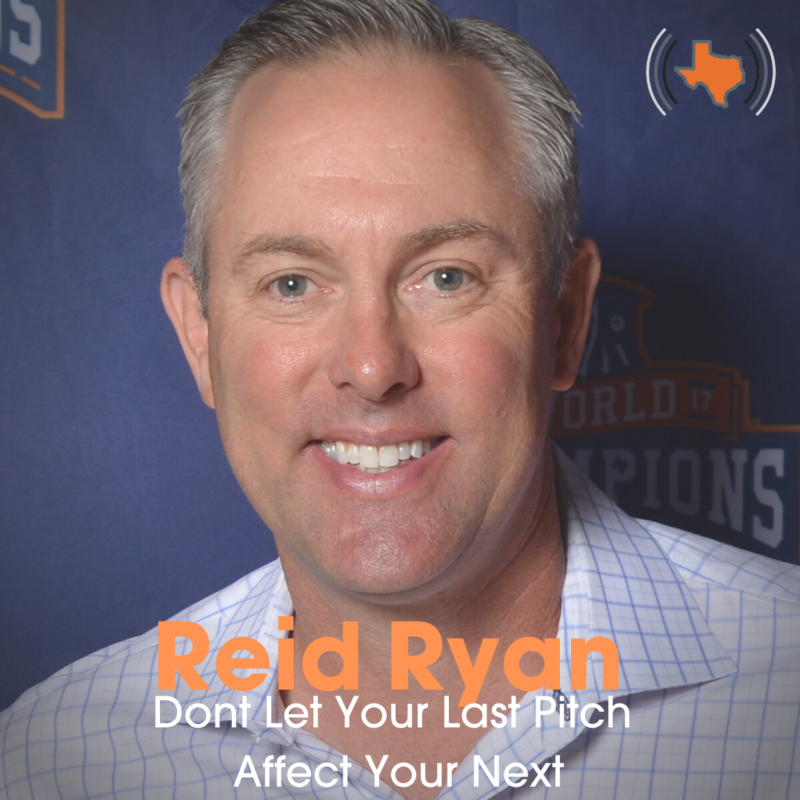
Reid Ryan, former president of the Houston Astros and currently the president of the Round Rock Express, talks about how lessons in baseball have translated into business building blocks. One of the most important, and one that is transferable to any business, is how his father taught him not to let the failure of your last pitch affect the success of your next.
Transcripts are generated by machine learning, so typos may be present.
Chris Hanslik: Hello, everyone. My name is Chris Hanslik and I’m the chairman of BoyarMiller, a mid-sized law firm in Houston, Texas. I want to welcome you to Building Texas Business. a podcast about corporate innovation, entrepreneurship, and business leadership in the Lone Star State. The goal of this podcast is to learn from some of the best business leaders in Texas in hopes that their stories of growth, challenges, and success will inspire our listeners in their own journey to building a successful business. Today’s guest is Reed Ryan. Reed is the CEO and co-founder of Ryan Sanders Sports and Entertainment based in Round Rock, Texas. With a long family history in sports, he has grown up in Houston and around the sports industry, including ownership of the Round Rock Express and the Corpus Christi Hooks, as well as being known for the president of the Houston Astros for a period of time. In addition to sports, Ryan is involved in Nolan Ryan Beef, our bank, a bank in the Round Rock, Texas area, and RS3 Turf. Welcome to the podcast, Reed. Hey, Chris. Good to be here, man. It’s good to see you. Hey, what an awesome day to be talking business right here in Houston, Texas. So excited to be on the show. Thank you. Well, so let’s start. I mean, you obviously are involved in a lot of different businesses. Tell us, I mean, how do you, how did you start those businesses or get involved and then how do you manage through the various hats you have to wear?
Reid Ryan: Yeah, so my history is I grew up in the game of baseball. A lot of folks know my dad is Major League Hall of Famer Nolan Ryan. And so I was really born in the game of baseball. We grew up in Alvin, Texas. I was born here in Houston and he was with the Mets when I was born and then he got traded to the Angels. And so, you know, really kind of early childhood was spent between Houston and Anaheim, Orange County, California area. And so then we came back here in Houston in 1980, played for the Astros and the Rangers. I went off to the university at Texas, played baseball there, transferred to TCU, finished up there. got drafted and played a couple years in the minor leagues. And so when they took my jersey away from me and said, we no longer need your services with the Texas Rangers, I realized that I was going to have to do something with the rest of my life. And they said, hey, look, we don’t want you playing anymore, but we would like you to do some work with us in the front office. And so I started working with the Rangers and Fox Sports Southwest back in the day, doing some baseball stuff for them. And one night just realized, hey, look, I want to go work for myself. I’m an entrepreneur by nature. When I had gone to the University of Texas, I realized Austin was a growing market. And I wondered why they didn’t have a minor league baseball team. And so I set out at 26 years old to figure out what it would take to put a minor league baseball team in the Austin, Texas, you know, Metro market and ended up settling on Round Rock. And it started as a Houston Astros AA affiliate. And over the years has morphed all the way to being late Texas Rangers affiliate. And so you look up and it’s 20 something years later and you got a bunch of gray hair, but it was a lot of fun along the way.
Chris Hanslik: Well, that’s the great story. And it sounds like so that that inspiration, I guess, having the benefit or unique benefit of growing up. with who your dad was led you into kind of that, I guess, sports management type of role.
Reid Ryan: Well, you know, our family’s interesting. So we’ve been involved in banking and one of the greatest things my dad did for me was put me on the board of the bank he owned in Alvin when I was a young man, really coming out of high school and in college. And it gave me an opportunity in a small town where he was the sole owner in a bank in Alvin, Texas. And we were at the time, you know, like $80 million in assets. The bank we own today is $800 million in assets. And so quite a bit larger, but it gave you an opportunity to see some key factors that made businesses successful. A lot of times it was how well capitalized are they? Because everybody’s business plan, never thinks about the worst of times. It’s just always the hockey stick, how great it’s going to be. And you don’t think about bumps in the road. And so it seemed that the businesses that never got in trouble were the ones that were really well capitalized. And so a lot of good learnings in there, but I was green when I started the Round Rock Express. I look back today as a 49 year old and I go, wow, I don’t know if I could have done it. back then knowing what I know today. And a lot of, I think, my success in business has come through the habits you create by playing athletics. You were a Division I college athlete. I was a Division I college athlete. And that work ethic, that teamwork, that goal setting, dealing with failure, all those things I think prepared me to be successful in business because There’s an old saying my dad had all the time, don’t let the failure of your last pitch ruin the success of your next one. And so we’d have a bump in the road and say, Hey, no big deal, man. Next batter up, you know? And so I think that approach benefited me as well as youth back in the day.
Chris Hanslik: That’s, that’s great. Great advice to you. I mean, I think as far as. Moving forward, right? Don’t focus on what just happened. How can you make it better?
Reid Ryan: Well, and I’ll give you an example. So when we started out to do the project in Round Rock, and without getting too deep in the weeds, we ended up getting a team in Jackson, Mississippi. that was the Astros double A team, and this is in 1998, under contract. And the lease was expiring in Jackson, Mississippi at the end of the 99 season. So we knew we had to operate it, you know, as a lame duck club for a year and a half. And then we were going to move it to the Round Rock, you know, market, Round Rock Austin market. And so we had the plan all in place. We were going to use hotel motel tax for the city’s portion. We were going to have traditional bank financing for our portion. It was going to be a $15 million stadium deal. And we ended up having a group of citizens pass an initiative referendum, which they ended up getting signatures to take away the power of the city council and put it to a vote of the people. And so that basic year lost in being able to start. compacted our construction schedule and ended up taking our $15 million stadium and making it a $30 million stadium. And so then it blew all of our financial projections out of the water. And we really had to dig deep and say, well, what do we want to do here? And we decided, hey, let’s bet on ourselves and let’s just buck up and take on more bank debt, personally guarantee it, and let’s build this thing and do it right. And it’s been a success ever since then. And so that’s just one example of hundreds in my 20 something plus year business career that just happened. I mean, the bottom line is stuff happens, you know, and you just got to, it’s really how you react.
Chris Hanslik: That’s great. Yeah. I mean, stuff happens out of your control, right? And what I love about what you just said is, and I think it’s a key element to entrepreneurs is bet on yourself fundamentally, right? Believe in yourself, bet on yourself. And sounds like that is what kind of correct.
Reid Ryan: Yeah. I mean, we were of the belief that like, look, you know what, no baseball, We’ve been successful in business. We know Texas. We know the environment. What we don’t know, we’re going to learn along the way. And you know what? We’re going to encourage mistakes. I’ve always with my employees encouraged mistakes because You learn more from your mistakes and your successes, you know, and if people are empowered to make mistakes, especially those that work under you and know there’s not repercussions for that, then they’re going to get out and you’re going to get 100%. You know, it’s hard to say 110%. You’re going to get closer to a hundred percent. But if people feel like they’re going to get their wrist slapped or they’re going to be embarrassed. or called out for mistakes, and you’re probably going to get 75% of what those folks are going to do because they’re going to stay in that safe zone. They’re never going to get out there. And so we tell folks all the time, hey, look, go fall flat on your face. We don’t care. And if it happens again, then we may talk about it happens a third time, then we may have to put some guardrails on you. But go out there and feel free to be an entrepreneur. And I think that empowers all the folks that work underneath me. to have equity in their decisions. And I think that’s the biggest thing. Like when we were playing baseball, and I go back all the time to sports, you know, when the coach is calling your pitches, you don’t have true ownership in them. You want to throw a fastball and the coach is telling you to throw a curveball. You’re like, oh, curveball, not my pitch. You know, it gets it. Well, he called it, not me. But when you’re calling your own game and you own your decisions, then you care a lot more. And so I want all of the people that work underneath me to own their decisions. We’re going to celebrate them when they do well, but we’re not going to make fun of them. We’re not going to penalize them when they do fall short. We’re going to tell them, hey, great effort. Pick yourself up, dust yourself off and go get them again.
Chris Hanslik: So it sounds like you’re employing autonomy with your employees to encourage them to be invested and engaged.
Reid Ryan: So, you know, one of the things, and I know we talked earlier before we started the podcast, maybe about hitting some different books and stuff like that. But I went to a session early on in my professional career. And I have to say, one of the greatest things I’ve been involved with has been YPO for me, which is Young Presidents Organization. I’m about to be out of it at 49 years old. But whether it’s an entrepreneur’s organization or Tiger or YPO, there’s a bunch of these things out there. I think getting in a professional development group is very helpful because it gives you your own kind of personal board of directors that you can bounce ideas off of. Because when you’re the entrepreneur or you’re the owner or you’re the president, somebody always wants something from you. And few people really will ever speak the truth to you because they’re hedging their bet on what they want from you. But if you get some people that will give you honest feedback, it’s golden. And so one of the things we did with YPO early in my professional career is I went to a seminar that a guy named Dr. Gerald Bell put on. He was a professor out of North Carolina, wrote a book with Dean Smith on leadership. And it was basically about hiring. And he had a very simple you know, kind of philosophy. It was hire better or manage more. And if you want to grow, you need to hire better. If you want to be in the middle of everybody’s stuff, you know, hire poorly and then you’re going to be managing it all. And guess what? You know, you’re not going to grow very big if you’re managing everybody’s problems. And so we’ve kind of taken that philosophy. And I say we because I’m really in family business. I’ve been an entrepreneur. I’ve been a hired gun and I’m also involved in family business. And so as a group, our family companies, we’ve tried to hire professional management teams and hire really well so that we don’t have to manage more. And we can think about growth and what’s the next opportunity.
Chris Hanslik: So you mentioned a minute ago, your views are certain key factors if you’re going to start a business or run a business that you’ve got to focus on. And I just want to know if you can maybe give us some of those who the listeners out there may have a takeaway of some of your views of key factors and being successful at business. You mentioned being well capitalized. Any others?
Reid Ryan: Yeah, so I’ll tell you, you know, we have not, you know, Bad at a thousand we have plenty of warts and no one does right and nobody does and so I kind of laugh We kind of talk about our success has been in the three B’s baseball Banking and beef, you know for whatever reason like we’ve done well in those and so what I would say is, you know Focus on what you’re really good at the times. We’ve been in trouble is where we thought that what worked in one of those three businesses automatically would work in another business, okay? Or where we got in trouble was where we ran these projects from the top as far as the group was concerned, whether it was raising capital, managing the management team, or whatever. Where we’ve gotten in trouble is where we’ve invested in deals. where we weren’t the lead partner. We weren’t running the show because, you know, our expectation of sort of whether it was return or work ethic or culture or whatever, it was not always aligned with the other folks. And so that goes back to what you said earlier of betting on yourself. We feel like we can lead people. I can lead people and then I can hire my weaknesses. So I think it goes back to like know thyself. Like I know what I’m really good at and I know what my weaknesses are. And so I try to surround myself with people that cover my weaknesses. And when we build these management teams and I say, we, my brother and I really Reese, he’s a four years younger than me. we complement each other so well and we enjoy working together and we love building teams of you know management and finding talent and so that’s kind of been something that we’ve been good at and we want to keep doing it that’s great so yeah you should know thyself i think i’ve heard others say and i think self-awareness right so important to really know your strengths and recognize your weaknesses because we all have them and and don’t shy away from them right that’s right no doubt about it i mean like you know personally i’ve always kind of been a guy on vision, culture, you know, energy, big picture. I need somebody that can come in behind me with the dust pan and kind of clean up the details, you know? And so I’ve been blessed that I’ve had some incredible, you know, executive assistants that have worked with me for a long time, you know, 20 plus years type people that have worked with us getting close to it. And then also finding people, you know, from an accounting perspective, I’m not an accountant, you know, I do understand the numbers, but I need somebody that that’s their forte. And so operationally, you know, I know what I want, but I need somebody who’s the master of the SOP, you know. So those are the kind of things that you have when I say know thyself. I can be fan facing, customer facing, sales oriented, you know, present to a board, raise capital. you know, talk to a lot of different folks. I need somebody in the background who’s kind of grinding out the numbers and the operations to make sure the machine runs well. Gotcha.
Chris Hanslik: So you’ve mentioned kind of in passing, you know, learning from mistakes, and that’s where you really find the true learning. And so just if you maybe give a story or two of setback you’ve encountered, you know, I think there’s definitely if there’s one that related to your time with the Astros would be a great story or the Round Rock Express, maybe the bank. But there are a couple of stories you could give. Here’s a setback. Here’s how we learned from it and got better.
Reid Ryan: Yeah, I mean, I think personally, there have been a whole lot of them. You know, I think 2008 was an interesting time. I really, up until that point, kind of from the late 90s, almost a decade, really had had a ton of success, never really having any kind of setbacks at all. And in 2008, we ended up launching a new bank that we still have today, our bank. We won location. Today we’re 10 locations. We started with $25 million. Capital today were, you know, $800 million bank. My brother and I invested in a group that was building a loft project in Corpus Christi, where we had baseball team. And then at the same time, we bought a franchise for the coffee bean and tea leaf, which is kind of like a Starbucks competitor on the West coast. And we took the state of Texas rides and raised some capital there. So we had all kinds of stuff going on. And then my dad put together a group. to buy the Texas Rangers. And it was an interesting time because I had put so many chips out on the table with these other deals. When the Rangers thing came around, I didn’t have the opportunity to invest in it because I had my money all over the place. And so there was a lesson in there of missed opportunity. Try to always hold back if you have a desire to always be looking for opportunities to keep that capital on the sideline so that you don’t miss the opportunity. So that’s kind of lesson one. Two, you can only really be in one place. And as I said earlier, with good management teams, we didn’t hire good management teams for a couple of these projects. And at the end of the day, here we are in 2021, and we’ve shut or closed the coffee bean. And one time we had like 12 locations around the state, a lot more capital intensive than what we thought. You really have to come into a market with a presence so you can’t one or two it. You’ve got to come in with 20, 30, And you know, to make advertising work to sort of get brand recognition awareness out there. And so a lot of learning’s there. And then obviously, there was the tech, I mean, not the tech, excuse me, there was the subprime mortgage issue that happened around there. And so kind of a bad time to be in real estate. We developed a lot of real estate over the years, but when we did this condo project in Corpus Christi, it was a gutting of an existing building. It wasn’t a ground up. And so there was a velocity issue of like your carry cost on the entire building instead of paying as you go. Like if you’re doing a lot development. And so just some great learnings. And so end of the day, only one of those businesses is still in existence. It’s done really well. The others, we had to lick our wounds and going down the road. And at the same time, I ended up missing an opportunity that would have been incredible to be in the Rangers ownership group. But having said that, I’m a big believer that every time a door closes, another one opens. And had that happened, I would have never had the opportunity in 2013 to become president of the Houston Astros, which ended up being, you know, a seven year run that took us to two World Series and we won one in 2017. And so. Sharing all that, Chris, I say you’re going to have hiccups, you’re going to have mistakes, you’re going to have, you know, issues. Don’t let those define you. Learn from them and know that something good is coming around the corner. And so when I rolled into this Astros job, I was better for it. And then I go to leaving the Astros in 2020 after an incredible run, signed stealing scandal, you know, our GM loses his job, our manager loses his job. And then I don’t get renewed as president. And, you know, the owner of the Astros kind of brought in a whole new management team. Some people I’ve seen them have those kind of life setbacks and say, well, I’m devastated for me. I just said, what a great run. Awesome life experience. I’m ready for the next chapter. And I walk away a much better person having run a $400 million business for several years with a lot of wins, both with the business and on the field. And so I walk away with just a better place than when I walked in 2013. And so that’s kind of been my attitude, as you can see, to the ups and downs of life and business.
Chris Hanslik: That’s great. I can validate what you just said about your perspectives. I remember having lunch with you shortly after the Astros thing and that was exactly how you presented it and had a positive outlook and lots of opportunity out there. And so I think there’s a lot of learning for business owners and really just in life in general to have that mindset of learning experiences and grow from them.
Reid Ryan: Yeah. And so I just talked about baseball. I go back to sort of watching my dad’s career, getting to be around him for his 27 year major league career and be around athletes that are the best in the world on a daily basis. It’s like an education that you couldn’t pay for. I mean, it would cost somebody millions to be able to have this type of education. So if you think about his career, He ends up struggling with the Mets, they win a World Series. I think a lot of talent can’t always get it together. You know, a lot of success and big failures and can’t kind of harness that talent. They trade them and get rid of them. Well, he didn’t let that, you know, define him. Oh, you know, the Mets quit on me. Now I’m sent out here to this, you know, at the time with the worst team in baseball, the Angels, and he ends up, you know, taking them to the playoffs for the first time ever. Four, no hitters, all these records. He parlays that into an incredible run with the Astros, first playoff ever, highest paid player in sports, but then all of a sudden, they don’t renew his contract. At the end of 88, what does he do? Does he quit? Does he say, oh, poor me? He goes to, once again, a team that’s not very good, and two no-hitters, 5,000 strikeouts, 300 wins in a fight with Robin Ventura that everybody knows about. He punches a young guy out, and he’s a legend now. And so you just look at those opportunities. There were spots along the way he could quit. There have been spots along the way that I could quit. I wanted to be a Major League player. And, you know, when they took my jersey away from me, sometimes that devastates people. But I think if you have this mindset of there’s something great around the corner and you know failure is part of life. then you just, you handle it and just move on.
Chris Hanslik: When they say baseball is the best example of that, right? Because a 300 hitter, it can be a hall of famer and they’re failing 70% of the time.
Reid Ryan: It’s so true. I mean, just in pitching and everything, you know, nobody pitches a perfect game. Every time out, nobody gets a hit every time. So it’s good life lessons. Did it.
Chris Hanslik: It’s interesting. And I don’t think Maybe everyone, I doubt anyone knew this or they’re learning it, but when did you realize your dad actually had an entrepreneurial spirit when he’s like the best pitcher in baseball, but he started this bank while you were, you know, young man put you on the board and things like that. When did that start to start?
Reid Ryan: So you know, my dad’s an amazing guy. He’s a quiet guy. He’s a very thoughtful guy. He wanted to not be a major league baseball player when he was a kid, he wanted to be a rancher. And so as a, you know, 10 year old, he bought his first heifer and his parents didn’t have property. They live in the middle of town. His dad worked at the chemical plant. His mom was a, you know, stay at home mom with six kids. He ended up finding a guy that leased him an acre. in the middle of Alvin and he fenced it in and put a calf out there and started his herd. And here we are, you know, 60 something years later and he’s in, you know, as many Western heritage ranching hall of fames as he is baseball hall of fames. So he always wanted to be in business for himself. And so he’s had that spirit. I think he instilled that spirit into us. But at the same time, He said, and I believe this, you have to follow your passion. And for me, my success has been my passion is people. I enjoy people. I like seeing, I’m a win-win guy. I want to see other people win. I want to win. You know, a lot of times you meet win-lose people. You know, it’s like dealing with Russia. They want to win. They want you to lose. There’s a lot of people like that in baseball. But when you can find somebody that’s win-win and you see others, you know, I’d like to see people have success. And I like to have it as well. And so that’s kind of the attitude I’ve taken to businesses. Let’s figure out a way that everybody can do well here.
Chris Hanslik: So let’s kind of maybe bring it back to the express or banking. Or any of your businesses actually. But I want to think about innovation. What are you currently doing in the various businesses you’re operating in that you believe is innovative or kind of pushing that industry or your business forward?
Reid Ryan: Yeah, so it’s really funny. We always wanted to have, because minor league baseball had a stigma to it all through you know, the 60s, 70s, 80s, 90s, really a stigma of terrible kind of high school fields that they sold beer at and, you know, it wasn’t good. We wanted to change that perception. So we opened up the Dell Diamond in 2000. One, it was one of the first stadiums to have naming rights. We were one of the first stadiums to have a video board. Now video boards are everywhere. High schools have them. We were the first team ever before major league or anybody else to stream all of our games. Now it was because we had a lot of high tech folks in Austin and we were like, not afraid to fail. Hey, yeah, sure. Come on out now. It was terrible. It would like freeze and then it would unfreeze and be like three pitches later, but we were doing it. So we’ve done a lot of that kind of stuff. And in the banking industry, I think it’s a real challenge today. So we have a technology committee. We’re a regional bank. you’re facing the big boys, the Chases and the Bank of America as well as Fargo’s, that are offering all kinds of services. Once they offer services, consumers expect those services across all banks. Then you have the Fintech, the financial technology people that are out there, the Paypal’s of the world or the Venmo’s that are wanting to get as much money as they can. millions of dollars sitting on Venmo accounts right now. People are making no interest on it. Venmo’s raking it in on having all that money with zero cost basis on it. And so what we’ve tried to do is how can we partner with technology partners to offer all the same services that financial technology and the big banks offer? And so we’ve been able to do that, but we have a committee and we’re always challenging ourselves to say, what is out there? What are you seeing from other folks? Because technology will keep you as a small to medium-sized business owner from competing if you can’t keep up. If everybody’s taking Apple Pay and you’re not even taking credit cards, you’re probably losing. If you’re taking credit cards but you’re not taking Apple Pay or where the chip just touches it, you’re probably behind. If you don’t have an e-commerce platform, you’re behind. So how do you keep up? And you need to look in the mirror and have people hold you accountable and hold yourself accountable and that’s what we’ve done.
Chris Hanslik: It sounds like that probably feeds into your hiring philosophy, right? Hiring people that understand that, that can push you and have that committee that you mentioned and really be out there thinking about that.
Reid Ryan: Yeah, so I’ll share some hiring tips. I’ve used this hiring philosophy going back to when I went to the Dr. Bell seminar, but it was interesting and we’ve implemented it. So really when you look for a hire, there’s kind of three things you look for. One is personality, two is work ethic, and three is technical knowledge. Unfortunately, most of the time people focus on technical knowledge, but then they find out that the person doesn’t want to work and they can’t play in the sandbox with others, and then they have a terrible hire. So we’ve always focused on personality first. If the person isn’t glass half full, they’re never going to be glass half full. If they don’t like others and like serving people and really our companies are in the service business really at the end of the day, all of them. So if you’re not somebody that wants to serve others, then you’re not going to probably be a part of our company. And then we want people that like to work. My dad likes to work. I like to work. We like to be productive. We want other people that want to be productive. And it’s the emotional value of work, the feeling like you’re helping out the team. So we want work ethic. And then we don’t care about your technical knowledge, but you have some great, but we can teach anybody anything. You know, so that’s kind of been our philosophy. And then the way that we’ve done it is most companies have the boss do the hiring. Okay. And they bring somebody in. And if the people that are even or below them don’t like that person, then you’re creating team dissension. You’re on a team. What are the best teams? They’re not always the most talented. They’re the ones that have everybody gets along and they have chemistry. And so the key to creating chemistry, I think in the workforce or the workplace is put a hiring team of three people, have a superior to whatever the position is going to be, have a peer, and then have a subordinate. If the janitor is getting to hire the vice president, They’re having, they feel important on their job and their role. They have a say in who their boss is going to be. If the peer is picking it, they’re looking in a mirror at themselves. They’re not going to bring a slacker in. They want somebody that’s a higher tier because it’s going to make them look good. And they want somebody, and then the superior is going to make sure that the person is going to fit the role and any of them can have veto power. So our receptionist for 20 years in Round Rock has been involved with most of our hires. And it’s awesome.
Chris Hanslik: So it’s been a little secret sauce this work for us. It’s a great process. And if nothing else, people hear in that and take that away. So as I was listening to you, you describe those three things and personality being first. I think what we say here is we hire from culture. So I want to ask you about that, the culture that you believe you’ve created at these various organizations and how you’ve gone about it.
Reid Ryan: Yeah, so I’ll tell you that I think the most proud I’ve been personally is the culture that I was able to create with the Astros. So a lot of folks said, well, why did you leave working for yourself to go work, you know, for the Astros? And one was the challenge. A little bit of it was selfish that I wanted to see if I could go win a World Series. I wanted to see if some of the philosophies I had could work kind of on the biggest stage. And we had a tremendous amount of success from the business group that I ran with the Houston Astros. So we had 60 sales representatives that just sold tickets when I was there. And most all of these kids, I call them kids, they were younger people, you know, in their 20s. They were all pretty much college athletes or folks that they loved to compete. And so there was a lot of competition in who was hitting their goals, who was staying. We had sometimes people drop off or they weren’t hitting their goals. And so what I ended up telling all of them is like, look, each one of you, I care about you as a person, because they’re great stories. We had swimmers from D1, football players. We had baseball players. We had all kinds of great stories. And it was, where do you want to be personally? in five years, you need to start planning out. Where do you want to be in 10 years? And then to help me be successful, I need you to hit these numbers. But what I need you to understand is hitting these numbers is helping you be successful in where you want to go. And so if you can make it so that the person you’re managing sees what they’re getting out of the relationship and how it’s helping them reach their goals, then they’re going to help you reach your goals. And we didn’t always bet a thousand, but we had a lot of kids that, you know, we had one or two folks that said, I always thought I wanted to be in sports. But what I realized was that, you know, I like sales, but I want to be in something where the book of business is mine. I’m like, you’re right. You should go into wealth management or you should go into real estate or you should go into you know, insurance, something where you own your book of business and you can keep it a long time. And so those conversations are always exciting for me because it means that those kids have bought in to what you’re selling and that they’re now realizing that my relationship with them is a lifetime relationship, not a, hey, I’m your boss relationship. It’s out of mutual respect. And I think that’s what we’ve tried to do with all our companies is build mutual respect. and let everybody understand where they fit in on the team. That’s great.
Chris Hanslik: So I take it from, you know, the various businesses. We talked, I think I just mentioned in the intro, we haven’t really talked about it, but RS3 Turf. That’s effectively kind of a startup, right? Or relatively new, so you’ve started that one from the ground up.
Reid Ryan: So this is really interesting. So we call our company that had the Round Rock Express Ryan Sanders. For the Ryan family and the Sanders family, Don Sanders, who was one of the owners of the Astros when my dad signed here in 1980. He was on the board of VF Hutton, a long time, you know, Houston successful businessman in his family.
Chris Hanslik: No, Mr. Sanders. Well, yeah, he’s on the board.
Reid Ryan: He’s a treasure. Yeah. Yeah. Yeah. He’s on the Texas bowl board. And so anyway, when we started the express, we were just around rocket express. Then we bought and started another team in Corpus Christi that’s still there today called the Corpus Christi hooks. And so at one time we had the Astros double A and triple A club. And so we needed a name because we did a lot of things with both teams. So it was Ryan Sanders baseball. When we decided to grow into the turf business, we became RS3, which is really Ryan Sanders third company. The way we got into the turf business was probably in the mid 2000s. I mean, it’s not quite 20 years old, but definitely over 10 years old. We wanted to have, you’re talking about innovation, we wanted to have the best grounds crew and best field in minor league baseball. And so one of the things we did is we got the Texas high school state championship. My dad played in the Texas high school state championship. My brother’s team and Alvin played in the state championship. So We wanted to host this and make it like going to Omaha for the College World Series. So to do that, we have to have a really good grounds crew. We’ve got to spend a lot of money. So we started by saying, well, how can we offset these costs? And we started picking up jobs, just doing natural grass, and grew into having the premier natural grass team in the state of Texas for installation. So cotton bowl, we’ve done. TCU, we’ve done. We did U of H practice fields, rice practice field, any major project. In Texas, when, you know, Globe Life was grass with the Rangers, we’ve done Minute Maid Park, we’ve built all those fields. But we started looking at, and once again, going back to innovation, what’s happening with the artificial turf space. So many high schools, and especially in the Houston area, or places in Austin, where, you know, water rationing is a big deal, or West Texas, are going to artificial. And so we said, we have to get in this game. And we started something in 2013 in San Antonio called Big League Weekend, where we brought in two major league teams and we turned the Alamo Dome into a baseball stadium. And so that’s where we first started putting in turf. Fast forward to here we are in 2021. We’re working all over the southeast, all up in the Midwest. We’ve done high school fields in Florida, Kentucky, Minnesota, Louisiana. Right now we’re doing one in College Station. We’re building something for Mary Harden Baylor right now. We’ve got projects all over the place and actually I love the business. I love it because the excitement that these kids and the schools have when you come in and redo their facilities, it’s very fulfilling. And I just, in my heart, love the athletic, what athletics teaches people. And so I think seeing commitment to athletics across this state and really kind of the Southeast, the Sunbelt, it’s just exciting for me. There’s a ton of work out there and we’re having success because of our name, in our past reputation of doing what we say and knowing that we’re not going to pack up and leave town. And so some of the people we compete with, and I think that’s the other thing, you have to always look at the landscape of who you’re competing with. People we’re competing with in this space sometimes are, you know, folks that maybe don’t have the best track record of wanting their work or, you know, doing what they said they were going to do. And so when you’re the one that has the high ground, sort of with credibility. It makes going in, you know, a little bit easier than when you’re an unknown. And so it’s been fun. We’re having a good time with it.
Chris Hanslik: So that company just totally started with the vision of wanting a better field at Dale Diamond and he turned it into a business opportunity.
Reid Ryan: It did. Yes. It was a way to get staff. So we’re, we were kind of the grass guys, natural grass guys, and we’ve been in the artificial and natural grass space for now two years. But what I like is when somebody comes in to talk to us about their complex, if you’re competing in the artificial people, they’re coming in and telling you all the reasons. Oh, natural grass is terrible. You need to go with this. The natural grass people are telling you the opposite. We’re in the same. Look, we do both. And so here are the pros and cons in its decisions. You know, if you got a bunch of rain and you want to get games in, go with the artificial, but you got to pay for it upfront and it’s going to last 10 to 15 years. If you want, you know, what I think is the best product, we can put it in. But if you don’t put any money or budget to this natural grass, you know, this TIFF Bermuda, whatever one you choose, then you’re just burning your money. So you have to make a commitment that once it’s in, you have to maintain it. So there’s no free rides. It’s what do you want to have and what’s your environment, maybe the best
Chris Hanslik: thing I think people can learn in life. There’s no free ride.
Reid Ryan: No free ride. That’s right. No shortcuts. That’s right. I think everybody waits that, you know, there’s going to be something magical happening and it doesn’t just happen. But I think the biggest thing is just get up and go to work, get up the next day and put one foot in front of the other. And good things tend to happen. Get along, have a good workout and get along with people. Yeah. You know, it’s kind of the two funny sayings that kind of come out of like, the 1960s, you know, kind of, I’m thinking Austin area was, you know, Lady Bird Johnson, you know, to whom much is given, much is expected. And I’ve always taken that. I walked into the business world with, you know, having being the son of Nolan Ryan, having a lot of capital behind me and having, you know, credibility from day one. That’s a huge, I understand. It’s a huge benefit. And I used to tell people, being Nolan Ryan’s son might get you in the game, but it doesn’t get anybody out for you. I’ve stood 20 years on my own merits. But it definitely was an advantage to get in the door. The other one I like is the one that Darrell Royal said. And I believe this is that, you know, what is it? Good luck is when practice or preparation meets opportunity. And so, you know, I think that’s the other thing that we’ve done is that we’ve been prepared and when the opportunities presented itself, we made the most of it.
Chris Hanslik: So we probably talked around it a lot, but if you had described your leadership style, how would you describe that?
Reid Ryan: Yeah, so I’m not afraid to do anything. I’m going to lead by, you know, trying to put myself in everybody’s shoes. You know, I want to know what it’s like. I want to understand what your role in the team is like. And so I’m never going to ask anybody to do something that I wouldn’t be willing to do myself. So I would say I’m a player’s coach, you know, definitely one that uses more sugar than a stick. But if you have to have a stick, I got the stick as well.
Chris Hanslik: Right. Both are important. I agree with you. I think you You get more out of your people if you’re like we talked about earlier about autonomy Let them feel engaged and committed so you’ve given a lot of takeaways here, but anything kind of As we start to wrap this up that you would say for an entrepreneur or business owner out there You know here’s some tips or advice that maybe you haven’t shared yet They’re just if you’re really want to drive your business forward focus on these things or think about these things Yeah, so I think as I’ve gotten older here, and I think
Reid Ryan: The decision is sort of how much do you want to grow? You know, I think the chasing, I want to be the richest man in the world syndrome where somebody is just never enough. That’s a different culture and that’s a different mindset. It’s a different employee base versus like, I want to make a difference. I want to have a passion. I want to be best in class. And so we’ve had a lot of success. Look, there’s a lot. bigger companies out there. There’s a lot richer people out there. There’s always somebody taller, faster, stronger. You can find them. What I want to do is have people that love where they work, that feel as though they have purpose in their life. and that we’re all able to reap the rewards from hard work and let’s continue to challenge ourselves and grow. We don’t wanna be stagnant, because there is no standing still. You’re either falling behind or you’re moving ahead. But let’s move ahead at a pace that allows us to have work-life balance and make a difference in our communities, not where our worth is only based off of what does the bottom line say.
Chris Hanslik: So I know your first job, or I believe this to be your first job, was Batboy for the Astros, right? Yep. Any cool memory from that?
Reid Ryan: You know, those were really fun times. So even though it was a job, one, they didn’t pay me because I was Nolan’s kid and I showed up. There were actual kids that like that was their full-time job. And so I did it because I just, once I said, I loved working and I loved being a part of the team. And so those older guys that were bat boys and one of them today is a guy named Jay Edmondson. He ran the Astros complex wherever he lives in Florida. The other one is Carl Schneider, who’s the Astros clubhouse manager today. So these were guys that were working full time. I would show up with my dad. help him wash clothes, take stuff down to the dugout. What a lot of people don’t realize is picking up the bastard in the game is not the work. That’s like the showtime work. You know, that’s like the fun of getting to be involved with the game. The real work was setting up the bench and then breaking it down and then doing all the stuff that involved laundry and food and, you know, you’re on a team. You know what it’s like. So those are the unsung heroes. And actually, some of those guys, you said, what’s one of your favorite memories from the World Series? Baseball has a tradition of called the playoff show. So the way it works in baseball is once you get to the playoffs, the players are playing for money. They’re playing for the gate of the games. And so the minimum number of gate goes for the series. So if it’s a five game series, the first three games, all that money goes to the players in the umpires and it’s divided on a split. And so the teams don’t get into the money until you’re in game four or five of a five game series or games five, six, seven of a seven game series. And so the year we won in 2017, there was this huge amount of money. And so the playoff shares are voted before you even are in the playoffs. So they’ll say, okay, this guy came up for, you know, as a player, he was on the team only a quarter of the year. We’ll give him a quarter of a share. This guy got hurt, but he was here all year. You know what? He deserves a full share. And sometimes they’ll vote shares to the clubhouse guys. And so in 17, they voted a couple of Clubhouse guys a full share. So those guys ended up making in Basically a month 20 times their salary for the year Wow life-changing money where people bought houses and paid off, you know school and all kinds of other stuff So that was actually probably the thing that maybe brought me the most joy from the World Series Yeah was seeing those guys get those gigantic paydays.
Chris Hanslik: It was cool. That’s meaningful life-changing. So it was a question I was gonna ask you favorite memory from the 2017 season is
Reid Ryan: Well, that was kind of the, I’ll say that was one of like my favorite, like warming the heart. I think obviously winning because the feeling I got in LA when that final out happened, I was there with two of my kids and my wife. My whole life really had kind of been heartache coming to the playoffs. 80 Astros, 86 Astros, 05 Astros, the Ranger years, 10 and 11, you know, just felt like you were never going to win one, never going to get over the hump. And to have it go our way, that final game, was just an incredible feeling and one of accomplishment. And I have to tell you, moving on from life after 17, there’s almost a feeling of You know, not having to prove anything to anybody because, you know, it was the first and there’s only been one in the state of Texas. So it’s a deep sense of satisfaction that I have from that year.
Chris Hanslik: That’s great. I can see why. A lot of years put into it and to see it kind of culminate that way had to be rewarded.
Reid Ryan: And there’s people that have been in this business 40, 50 years and never get that opportunity. You know, my dad got it in 1969 as, you know, 20, what was he, two year old. 23 year old and, you know, never won another one as a player. So you have to really savor it. And it was a great follow up year as well. So 17, 18, 19 were about as good as baseball has ever been played in a three year stretch. And obviously 20 was pretty good for the Astros with, you know, COVID and a half season. And this year’s turned out to be a good year. So folks are going to look back at this Altuve era, Correa era and say, man, there was some really good baseball played now.
Chris Hanslik: Yeah, no doubt. So kind of wrap it up on a light note. So you got a Nolan Ryan beef. So you had Tex-Mex or barbecue guy?
Reid Ryan: Oh, no, I’d take Tex-Mex every day. Definitely. Okay. Okay. Any book you’re currently reading or? You know what? I just got a new book. So I was really into reading. I mean, I was reading like two books a month. And then when COVID hit, I think it was all the together time at home. I just I had to get outside and do stuff. So I kind of stopped reading for a while. But I just got a book called Atomic Habits that was recommended by a guy in our church. It’s basically ways to create good habits and ways to break bad habits. I’m trying to do a little self-learning right there. The other thing I’m into right now is I’ve always wanted to speak Spanish. I’ve taken a lot of years. I’m not very good at it, so I’ve committed myself this year to doing DuLingo every single day. I’ve been pretty religious on it so far. It feels like a lot of work, so I’m like at level two, and I was like, oh my God, there is a lot. So this may end up turning into a 10-year project, I don’t know, but at least for 2021, I’ve been pretty religious about it.
Chris Hanslik: That’s good. Well, yeah, I guess maybe if you can do it in less than 10 years, we’ll try to do one of these again in Spanish. There you go. That’ll work. That’ll work. But Reed, I can’t thank you enough for taking the time to come on the podcast with us. and share the stories you did. I mean, tons of information and value that I know our listeners are going to get out of this.
Reid Ryan: Well, thanks, Chris. Appreciate it. And keep up the good work, my man.
Chris Hanslik: All right. Take care. OK. Thank you, everyone. And there we have it, another great episode. Don’t forget to check out the show notes at boyarmiller.com forward slash podcast. And you can find out more about all the ways our firm can help you at boyarmiller.com. That’s it for this episode. Have a great week and we’ll talk to you next time.
With a deep understanding of your business alongside clear and honest communication, we help clients face challenges fearlessly.
Learn more about our services and how we help clients.