


With a deep understanding of your business alongside clear and honest communication, we help clients face challenges fearlessly.
Learn more about our services and how we help clients.



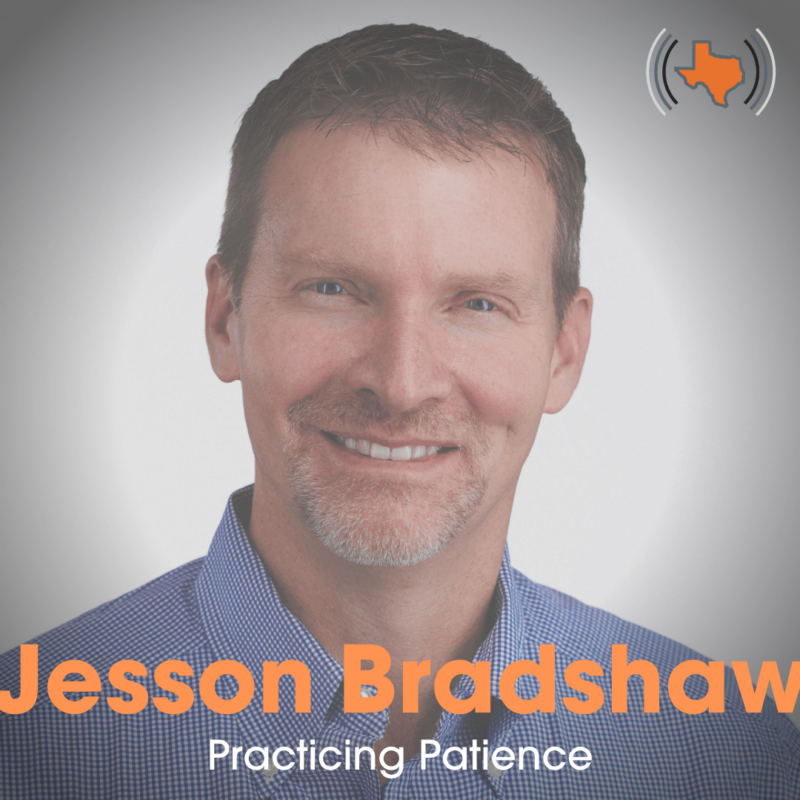
Jesson Bradshaw, Co-Founder and CEO of Energy Ogre, an electricity management company based in Texas shares why he believes our economy benefits from the innovation derived from entrepreneurs and the importance for business leaders to find the right balance between charging forward with strategic initiatives and practicing patience to allow things to happen on their own timing.
Transcripts are generated by machine learning, so typos may be present.
Chris Hanslik: In today’s episode, you will hear from Jessen Bradshaw, co-founder and chief executive officer of Energy Ogre. and learn why he believes that our economy benefits from the innovation derived from entrepreneurs, as well as our discussion about the importance for business leaders to find the right balance between charging forward with strategic initiatives and practicing patience to allow things to happen on their own timing. So Jess, tell me a little bit about what your business is known for.
Jesson Bradshaw: Well, I think we were the first people to really focus on siding with the end user here in the competitive electricity markets of Texas to help them make decisions around what’s the most cost-effective electricity plan. So it’s kind of a mouthful. But I think the business, at least Energy Ogre, is known for being a subject matter expert on how to select residential electricity plans.
Chris Hanslik: OK. So what inspired you to start Energy Ogre?
Jesson Bradshaw: Yeah, it’s interesting. So I’m a sort of joke with folks that sometimes I feel like a dinosaur in the electricity space. I started in this space in 1995 when it just opened at the federal level from the market-based rate authority for federal power marketing licenses. And I’ve spent time trading wholesale power, gas, coal, resid, you name it, building power plants, running utility stuff. And I found myself in a previous company that I owned, by a weird set of circumstances, ended up actually building a retail electricity provider. So we had two brands, ultimately, here in Texas. One was Amigo Energy. And the other one was Tata Energy and we sold those to another company in 2012. And a lot of what we were doing at Energy Yoga is trying to solve for some of the problems that I saw that were really some of the road bumps and some of the impediments that were really preventing consumers in Texas from taking full advantage of the real amazing value that came out of the consumer choice legislation. So it is a huge potential windfall to consumers. A lot of folks just are not able to navigate through it. There’s so much advertising and kind of confusion. very little what you see is what you get in some of the advertisements. People are bombarded with information. There’s a lot of bad information that persists year over year over year. It all culminates with residential customers that have better things to do with their life getting themselves stuck in these suboptimal energy plans and paying an incremental expense for something that there’s absolutely no reason to. I mean, electricity is the ultimate fungible commodity. There’s literally zero difference from one provider to the other. There’s no difference. So that’s kind of where energy yogurt came from. It was a happy circumstance that by the time we started energy yogurt, I started thinking about doing this in 2013. We had a lot of emergent technologies that were coming to the forefront that really allowed us to do a lot of more complicated work that would have made it not cost effective for us to provide this service prior to that. So yeah, it’s this confluence of emergent technologies pulling these emergent technologies into a specific focus and that’s kind of how we got started.
Chris Hanslik: That’s great. Yeah, I would say I think if you watch the advertising in this space then everyone has the best deal out there.
Jesson Bradshaw: Everyone.
Chris Hanslik: Yeah, the best, the mostest. Yeah, you name it. Yeah. your experience in a prior company seeing a gap or a need that the consumer base really could benefit from, and then addressing and delivering a product or company that could solve that.
Jesson Bradshaw: Right. They’re just simple things that are out there, but it’s interesting. The market opened January 1st of 2002 for broad-based competition. And, you know, we still have a lot of people that there’s confusion about what the rules are, what they can and can’t do. Like a lot of folks, even simple things, don’t realize that if I move addresses, I don’t have to take my electricity contract with me. You know, it’s a contract between me and the provider at that specific location. And so in the statute, it’s written that you don’t have a termination charge. You just have to prove that you moved. And so people will talk to their provider about switching service and they’ll get locked into some other rate plan that’s worse than what they were in before. Some folks like to stay with a provider because they think that they’re quote unquote the utility and everyone else is a middle man without realizing they’re all functionally very, very, very similar. So what we saw was when I had our retail businesses There are a few things that are written in the statute. It is extremely pro consumer. So many of the rules are set up really favoring the end user, but it’s written in such a way and the expectation was such that there’s kind of a level of active engagement. that a consumer is gonna, they’re gonna be present in this process. And I think that that’s not really realistic for a lot of people. So a good example of that is that evergreen contracts for fixed price residential service, those are not able to be done. And so we would see this frequently at the retailer that we have is, hey, you’re coming out a contract, let me send you this renewal notice. And actually, there’s a requirement to send these notifications if you’re coming out of contract. And you have folks that just have better things to do with their lives. They’re busy, kids, work, whatever the case may be, and so they don’t really pay attention to it. And as a result, As a retailer, what you’re trying to do is you’re trying to sell to your customer for a length of time and then hedge your exposure in the wholesale markets. If I’ve got a customer that now I don’t really have a long-term relationship with, now it changes my hedging strategy. It makes me have a much larger risk that if I bought that wholesale power and my customer goes away, then I might have a mark-to-market loss on my hedges. So it creates a lot of risk and that translates into pricing. So that’s one thing that we saw a lot is people would be upset that they fell out of contract and then you jacked my rates to whatever. It’s because we can’t hedge it. It’s because the lack of us being in a longer term relationship forces me to change my strategy that increased my cost to serve you. Some of those things were the kinds of problems that we wanted to solve for. It’s not really a retailer’s fault and it’s not really an end user’s fault. It’s just a lack of understanding of the way this whole thing works. There’s definitely room for intermediation. And, you know, the other thing that we saw that was, you know, in the end, Energy Yoga really is a technology company. It’s wrapped in this customer service candy coating. But what we built was an engine that can digest any of these rate programs and compare them to one another on an apples-to-apples basis. And so that was the big first. That was where we started. Gotcha. And we’ve just continued to build the technology since then. But in order to work right, it needs to look like it’s magic or in a black box someplace and no one needs to see how the sausage is made. Exactly. I hear you.
Chris Hanslik: Okay, so let’s step back a little bit. You had a company before Energy Ogre, Fulcrum Energy, and now you have Energy Ogre. So just from an entrepreneurial standpoint and mindset, what are some of the key elements to building a successful business that you experienced in kind of building one or both of those companies, whether they were the similar type foundational principles or they differed, and if so, why?
Jesson Bradshaw: I think, first of all, when we got started, it was hubris and arrogance. Prior to that, I was at a company a long, long time ago when I first started out of school. called NGC Corporation, and that eventually turned into Dyanji years and years later. I was involved with the power stuff at the very, very beginning, so it was neat to kind of watch a company that had far more resources than sort of starting from scratch. But it was an interesting evolution to see how that whole business, Dyanji became at its zenith in the late 2000s. The early 2000s was one of the larger energy merchants in the space, probably right behind Interon. But it was quite a bit of transactional activity. So a bunch of really interesting lessons learned and watching things that we did well, watching the leadership styles and the decision-making process. and trying to internalize some of those lessons. Fulcrum was an interesting one and what we did there was we had been managing power generation assets for the company and we also were managing third-party assets. And in the wake of the demise of the energy merchant community, A lot of these projects, they had been outsourcing 100% of their logistics to companies like Dynagy. A number of these companies that were doing that before, they were out of business or they had some kind of a restructured debt. They might have some negative covenant in there around putting their balance sheet at risk for third parties. So we saw this huge opportunity to do the exact same thing that we were doing for our own stuff for third parties. Massively overestimated our capabilities and the ease of acquiring customers without a billion dollar balance sheet behind you. But we persevered and we figured some of those things out. The biggest thing that I learned in starting Fulcrum and all the twists and turns of that business as the years went by, two real big lessons learned from me. One was, it didn’t matter how smart you are, and it honestly doesn’t matter how technically capable you are. In order, there’s always going to be some form of an externality. Maybe on a colloquial basis, you might say a good bounce or good bounces, a series of them. Oftentimes, you’ll see, oh, he or she was before their time. It could have been that right idea, right kind of set of structure and ideas. You know timing wasn’t right or they didn’t find the right kind of counterparties that helped them and so that’s a big thing that I learned in fulcrum is timing and finding the right kinds of Bounces and and being open to engaging with other folks that might help you Is important because oftentimes when you’re starting something new you have two kinds of people some folks will want to go meet everybody as being massive extroverts and Talk to a hundred people in hopes of getting one thing done. But I think a lot of times folks that are entrepreneurial, sometimes they think they’ve got a secret sauce. And so they might not engage with folks as much as they’re perfecting their secret formula, which that could be a big problem. You can really carve yourself off from finding the right kinds of opportunities that you need in order to make your business successful. That makes sense, because the fear of someone’s going to take it from you. Yeah, because at that point, it’s somewhere in the transition of being an idea to a viable business. Right. And then the other lesson for me was, Early in my career, I was fortunate enough to be given a tremendous amount of responsibility at a very early professional age, and you just got very comfortable making quick decisions on things. That was a big part of the way I grew up professionally, but it didn’t teach me patience. And when you run your own thing or you’re starting something from scratch, patience absolutely is a virtue. And it’s something that was very difficult for me to get my arms around and learn. It’s a weird thing. You have to be able to switch gears depending upon circumstance. But I was so used to, I can think my way. I can think smarter, better, faster. How can I solve this? And there were a lot of times where it’s just now this thing has to It has to mature the way it has to mature. You just can’t make it go any faster. Can’t force it.
Chris Hanslik: You know, it’s interesting because you’re right, I think. there’s this balance and I think it’s different for everyone but from making decisions and being decisive versus when do you need to exercise that patience and allow the process to play out? And I think you have to be successful in business. I think you have to have the skills and knowledge to do both and the question is when do you apply which of the two, right?
Jesson Bradshaw: Yeah, we talk about this sometimes with with some of the younger folks that I have in the organization is, the hardest thing is, can I make a decision with 5% of the information?
Chris Hanslik: 100%.
Jesson Bradshaw: Am I confident in the way I assess that? Yes. Am I confident in the outcomes? Maybe not. Sometimes it’s that subtle distinction of understanding, if I wait for 5% better information, I might have a much better than a 5% increase in my output. My probability of success might be massively greater than a 5% increase. And just understanding that subtlety is a very difficult thing.
Chris Hanslik: How do you go about teaching and training to the folks that work below you on that?
Jesson Bradshaw: It’s a tough thing. I think it’s particularly more challenging when you’re in a smaller entrepreneurial environment because one of the things that I think really helps accelerate younger people, and I will say that Finding and developing and mentoring your junior, middle-level management is probably the most challenging thing that I’ve dealt with over and over again, building these businesses and just identifying those folks. Because usually, the Peter principle, that’s going to materialize very, very quickly in those spots. It’s a big challenge, but it’s hard in a small organization because one of the ways in previous lives that made it easier to try to round out the knowledge base for some of these high potential individuals is placing them in different parts of your organization. Getting them a little bit of diversity of their business focus or having to consider different things. A lot of this is about critical analytical thinking skills and a lot of it’s about pattern recognition. The more things that you can expose people to and give them a little bit of this and put you here for this rotation through different parts, it really helps accelerate some of that stuff. It’s a big handicap I think smaller entrepreneurs have because usually you probably don’t have the luxury of having a lot of you know, land yap in your people’s time, so to speak. So I try to include as many of my sort of up and coming people as much as possible in some of the strategic decision making. So, whereas you might say, hey, I have an executive group, if there’s folks that you really want to invest in, what I’ve found is I start opening them up and try to get them some exposure to the way we go through these processes of making decisions. how we critically think about some of these things. But more than anything, I want them to start to include themselves in those conversations. I want to hear their input in this process as well. That really does tend to help accelerate some of that process.
Chris Hanslik: That’s great. It makes sense. Going back to what you said a minute ago, if you have the ability to put them in different situations, just going to exercise different parts of the brain, and then I think giving them a seat at the table to where they feel like they can be heard. Right.
Jesson Bradshaw: Well, a lot of times you’ll bring them in and they’ll… look at you like, oh gosh, I don’t want to say anything. Just actively encouraging that participation, I think is important. What do you think?
Chris Hanslik: Making them feel safe to speak, right? For sure. So, when you kind of think through what You’re doing energy over me sounds like from what you described you know the concept just from the beginning of the company was somewhat innovative and do the industry what kind of things are you doing that you believe are innovative and how do you know. Share or expound on some of that.
Jesson Bradshaw: Sure Well, you know genuine one of the business was to set up a business structure and it’s still we still operate this way But nobody’d ever set themselves a hundred percent aligned with the end user So ever we’ve had people in the space that are that are interested in intermediaries Okay, a traditional broker that is you know has has a monetary interest in the terms of the transaction They’re putting together a willing buyer and a willing seller. It’s a different thing entirely as an agent fiduciary to administer these decisions on behalf of the end user. That had never, ever been done before. And I’m not sure of the folks that are still kind of percolating around the space. I don’t hear very many of them talk about how they’re producing for their customers. In some cases, there may be conflicts of interest because of larger corporate ownership or whatever have you. So that was a pretty significant step change, I think, when we first started doing this stuff. The application, the technologies as well. We built a way to, everyone had said, we can go through and look at what rate plans or what rate plans. It’s that whole idea of the person who’s a subject matter expert, there’s a qualitative and a quantitative aspect, and there’s no room for, at least in the numbers, it’s just math. There’s a way to do this programmatically where you’re like, every rate plan that we can get our hands on, I can calculate what the effective billing rate is for every kilowatt from one to you know, infinity kilowatts per month. I can tell you exactly what it will be based upon their terms. And that allows us to look at every one of them on Apple’s Apple’s basis to each other. Gotcha. So the second big revolution that happened in the deregulated space was the advent and the deployment of smart meters. That’s a big, big deal that not many people really think about today because it’s a big deal. It’s a smart meter versus a dumb meter. It was a huge difference. Prior to that, we had these demand meters and someone would come out and read the meter and said, oh, you’re at 101,000 kilowatt hours last time and now it’s at 102,300. All they know is that you consumed this amount of electricity. between these two periods of time. But the wholesale market actually, it clears every day, but there’s a settlement cycle that happens every 15 minutes, and it’s highly volatile. And what was happening is the only way to translate what end consumers were doing to make it fit in the wholesale market is they would profile settle. So it didn’t really matter how you were using electricity in your house versus your neighbor. They assumed this is what your consumption profile was. Interesting. So your ability to actually shift your usage in order to accomplish something from a cost savings or whatever have you, there was no mechanism to allow that to occur. And once we went to smart meters, now we’re actually settling each one of these customers and the costs are passed through to the provider that’s serving them. They know exactly what all their customers did exactly every 15 minutes of the day. It’s this big clarification where we’ve gotten rid of a lot of the subsidization that was occurring internal to these customer groups, which is an important part of the innovative. That’s how we start to bring these innovative products and services in the market, right? It’s hard to make solar work on a time of use basis if you can’t really figure out what time you use it.
Chris Hanslik: So the smart meters have kind of allowed for that to, because solar in a residential space is certainly emerging.
Jesson Bradshaw: Yeah, it’s a big thing. And time of use plans, period, and making decisions around If you don’t have a smart meter and you’re making a decision to change your consumption on your HVAC system, if you have a thermostat that you program so that it works a certain way, you’re trying to avoid the high price periods of the day, you can’t see that without a smart meter. So there’s no way to incent the end user to change their behavior. You can’t create price elasticity of demand at the end point without having some of these things. We just kind of added another axis to the canvas about doing innovative things in the space. And that’s one of the reasons why Texas is so far out in front of everybody else.
Chris Hanslik: Well, and of course, it’s interesting you say that given kind of what we experienced in February, but I’d say still ahead of the curve.
Jesson Bradshaw: For sure. No question. February is such a strange thing. You know it not that it wasn’t a big deal and not that it wasn’t traumatic But in the end what happened is I think I think that it was such a large-scale deviation such a I mean, I don’t I haven’t gone back to look at this with my perception is this is like a six or a seven Sigma like it’s so far out from probabilistically occurring that people just got caught flat-footed. There’s so many lessons learned of things that could have been done a lot better, but I don’t think it’s a failure of the totality of the infrastructure. We just didn’t use what we had quite as well as we should have. Interesting.
Chris Hanslik: Thinking back to energy over Lots of things written on culture. Again, you’ve built these two companies. When you think about Energy Ogre, how would you describe the culture that you’ve built there? What are the characteristics of it? And how did you go about creating that?
Jesson Bradshaw: Sure. Well, I think it’s funny because there’s a top down and a bottom up aspect to this stuff always. Sure. And so I laugh sometimes and maybe this is just me and I’m sure that someone will smoke me and they’re like, you can’t do that. But I always sort of chuckle when I see companies that say in their mission statement, we believe in integrity and whatever. I’m like, man, if you have to write it down. It’s one thing to say those things. I think that the reality is you kind of have to walk the walk. It’s way more, especially in a smaller organization where everyone can see what the leadership is doing and what they’re all about, whether the individual is valued. I think oftentimes in these smaller businesses, it’s kind of an interesting change for people that maybe work for a larger company that come into this and say, hey, if I were at oil major, whoever, and I did an excellent job today, that’s going to have exactly zero impact on the overall corporate profitability and corporate success. In a smaller organization, if you do an excellent job and you solve people’s problems and you have super positive interactions with customers, That absolutely has a material impact on the overall success or failure of the organization. The individual’s ability to impact where we’re going is huge. It doesn’t matter if it’s exclusively a customer-facing kind of thing. When you’re building something like this, that’s always a big consideration. really making sure that those folks understand that they are, in our case, our customers are our lifeblood of our organization. If our customer interaction personnel do not display a high degree of patience and professionalism and are genuinely interested in solving those problems versus them walking in the door and it’s like a J-O-B and they can’t wait until you have a do time. Then we’re going to have a problem. So we have the added benefit I think is energy yogurt. Maybe I see this more, it’s more important to me than maybe some of the others see it, but when you’re doing something like we’re doing as an agent, as a fiduciary for end users, you’re just helping people. It’s this weird thing where it’s almost like a nonprofit kind of thing. You are so consumer focused and you’re aligned with just helping people try to get out of a bad situation or get an answer to something or solve a problem they might have or just simply save them money so they can go do other things with their lives. That resonates with the staff, right? So it’s way easier to get up and ride an elevator into the office every day when you’re kind of fired up about helping people. It sounds like a little guy kind of helping a little guy, almost like a David versus Goliath type. For sure, 100%. Yeah. And I think that there’s so many other professions that are that way. Lots of people advocate for other people, right? This firm is a good example of that. I’m sure it’s the same kind of thing when you’re solving a problem for a client. You’re doing something that’s very difficult for anyone else to be able to accomplish on behalf of that person. There’s a tremendous sense of satisfaction in doing those things. Absolutely.
Chris Hanslik: One of the things we’re passionate about is helping. For sure. Helping people. And those people are usually owned companies or helping their company, but helping them solve problems and realize their end goals.
Jesson Bradshaw: Right. It’s the same thing. The stakes are different, but it’s the same idea. And I think that it it helps to give a clarity of purpose to the folks, what am I doing here every day? Am I working for the man? Or am I actually working to make a positive improvement in my communities? Am I helping my neighbors, et cetera, et cetera? So that’s a big part of, I think, where our culture comes from is really the folks buying in and being part of that process. I also, as we talked about before, I’m super focused on professionally developing my younger people and helping them on this trajectory of creating a career path for them. Thank you. For us at Energy Yoga, no one was doing this before us. I can’t go pillage from a competitor. We have to basically build everybody with our thought process and teach them the way we want and learn from them too. Sure.
Chris Hanslik: It’s been fun.
Jesson Bradshaw: Some of these folks are super high-grade matter people that have a tremendous amount of want-to, but they may not have gone to the right high school. They may not have gone through that traditional path where it’s easy for a larger organization to identify them. They don’t have a college degree or they may have whatever. It allows me to really identify some of these people that just need an opportunity. What happens is a lot of these people are super eager and super hungry and want to soak these things up. By investing in the people, that reinforces that. Taking the time and being engaged in and really working through work. Where are we going to get you to professionally? What education we need to send you out for? Those are the things I think that reinforce That that that sense of culture sure in the organization that that you know is initiated by we’re helping people but hey I’m also helping you and then you’re helping us and it’s It’s a big feedback loop.
Chris Hanslik: Yeah, so kind of the snowball that builds upon itself, right? Right. That’s good. So, you know, we’ve talked a lot just about how you built the company and what it does. Can you give us an example of a setback you encountered along the way, kind of what that was and, you know, what was the learning from it and how the company grew because of it? Sure.
Jesson Bradshaw: Well, you know, we’ve had, you know, obviously the weird thing in energy over specifically One of the problems that we have is that it’s not a problem, it’s just that it’s a challenge. We are going to be accountable for any mistakes that we make and we try to minimize those to the greatest extent possible, but our customers also they’re going to look to us to solve problems that a provider is making as well. So we’re always going to be subject to frustration that a customer might have because of any mistake that we might make, but also all these other provider mistakes. And it’s not good, but it’s quite common for all these providers, and it doesn’t make any difference who they are. It’s not a name brand. These company never makes the … I mean, they make them … You’re equally guilty. Right. It’s just because the selling power and a lot of these consumers are kind of looked at, and you’ll never hear anyone say this, but in my view, the customers are kind of commoditized. In order to handle large scales, we see stuff where a provider might accidentally send out a disconnection from nonpayment notice to like thousands and thousands of people, creating chaos. It’s not real, but someone made a mistake. They’d heat something in or their systems didn’t debit credit cards for three weeks or something, and now all of a sudden they’re like, hey, you need to pay us. I’m like, no, we were set up. You need to draft it. Right. Right. So we’ve had some of those things where we really started in a way where like, hey, providing electricity at the residential level is 100% fungible product. It’s exclusively a function of price. What we found was some of the providers, and most of them are not around anymore, were so poor at the provision of the logistics around that that we just had to exclude them. That definitely creates overcoming the frustration that the customer has. It’s not necessarily our black eye, but I understand it like, hey, well, you placed me with them and they jacked up my situation. Even if they’re violating the rules and violating the statute, we’re still subject to some of those things. That’s been a very interesting lesson learned through that process. There has to be a quantitative as well as a qualitative aspect to some of these decisions.
Chris Hanslik: It did not occur to me until you said it, but I can see where you set this company up totally focused, as you said, to help the end user. But the end user, since you’re kind of the conduit providing the energy, equates you to the energy provider, right?
Jesson Bradshaw: Yeah. It’s the double-edged sword. It’s, hey, I want you to not have to worry about this. Our goal is to minimize anyone having to spend any time worrying about this stuff. Well, if I do that and people like it’s on autopilot and then something doesn’t work, they haven’t been paying attention. And so it’s very difficult for us to say, yeah, yeah, but that wasn’t us. It doesn’t matter.
Chris Hanslik: But you’re supposed to be watching this for me.
Jesson Bradshaw: Right. But we just need to fix it. Right.
Chris Hanslik: Yeah. Funny how that works. So the Anything from the recent pandemic that has affected the business in ways you didn’t expect or that you had to really, not to use the words overuse lately, but pivot to change operations or what y’all are doing?
Jesson Bradshaw: Sure. Again, the education part of this is a big part of our mission statement and what we’re trying to accomplish. One of the interesting things that we saw early on in the pandemic is that we have some of our customers like, hey, man, I don’t know why this is the case, but my bill is like 20% higher than it was before. And my bill isn’t, you know, what is going on with this stuff? And so we, okay, well, let us look into it. Well, you’re using 150% more than you were using before with people working home all day long. Being able to communicate some of that stuff and get out in front of that, that was an interesting challenge because people, again, Everyone’s attention span, there’s so many other things that are competing for their time and their attention. I love my dentist personally, but this is about as much fun as going to see the dentist. People just don’t pay attention to it. That was a big issue. Luckily, because most of the core of our leadership team, we’ve been doing stuff in the energy space since Mubi was a mino. in the power generation space that we were in before, you’ve got 24 hour uptime. And so we’ve always had disaster prep online. So we were able to switch gears very easily of getting all of our staff working remotely, but it’s the little things. It’s the customer service agents that their broadband doesn’t work or it’s limited or they can’t get online or all those different kinds of things. kind of a big deal. And then again, for us, as we’ve continued to grow, people, as they had more time at home, spent more time kind of researching some of these things. And we’ve got a lot of new customers since the pandemic began, which means that we’ve got a lot of new employees. Gotcha. And so maintaining our sense of our culture as it continuously evolves with the population that we have there, it’s a way bigger challenge to maintain that Culture and keep that culture moving from a momentum perspective when everyone is siloed. I mean, they’re still talking due to this is not the same.
Chris Hanslik: It is right. We’ve experienced the same thing and I hear from other leaders of companies and just the the work remote while convenient. There’s always, with every decision, there’s consequence, right? In a decision to work remote, one of the consequences is an erosion of the culture because people aren’t connected as much. So let’s turn a little bit and less about the company, more about you. How would you describe your leadership style?
Jesson Bradshaw: That’s a great question. I think I’d like to… There’s a weird thing. To me, I guess I learned this lesson with my children. I realized with them pretty early on, it was a little bit of an epiphany to me that I can’t be the same person to each of them. Right, so my oldest son, people pleaser, grind everything out, but he needed strokes and encouragement and he needed to be, you’re gonna continue to make it. My middle child is just on fire and so he was like, he kinda had to try to hold him back, a little bit more aggressive with him. And so it’s interesting, and my daughter would kill me if I say anything about herself. Yeah, but you got to admit she’s there, right?
Chris Hanslik: The third and baby is the daughter.
Jesson Bradshaw: That’s all we’ll say. She would want me to say she’s perfect. It’s interesting that that same thing is true when I find from a leadership perspective. On the one hand, you definitely want to encourage folks from participation. You want to get them engaged in some of these with your leadership team, right, in your immediate group. But you can’t be so laid back about some of these things that from a CEO perspective or from a chairman perspective, you still have to set the tone. You have to be willing to change course in light of new information. But I think everyone needs to understand there’s a firm hand on the tiller. There’s a confidence in the direction that we’re going. There’s a plan. There’s a vision. We want to get on board with what’s happening. The specifics of how we do that, we’ll work those things out together. But in terms of us understanding what direction the ship is pointed and that there is a plan and there’s an overall strategic goal, That’s an important part of leadership, I think. It’s a very strange authoritarian on one end and then super accommodating on the other end, but I think you have to have the skill set to change yours in that spectrum along the way, depending upon circumstances.
Chris Hanslik: It kind of goes back to what we were talking about earlier, that balance of clarity of purpose, confidence in the direction and what the company stands for and where it’s going, but also the empathy side of listening to employees, motivating them. They all like your kids. Everybody’s motivated in a different way, right? So you’ve got to be able to manage that while providing the comfort and confidence that We know where we’re going.
Jesson Bradshaw: Right. I think what I found is that setting the strategic tone and the direction and the firm hand on the tiller, that’s easier. It’s very difficult, I think, for some people to… That’s the CEO. They don’t really want to tell you what they think because they’re worried about some kind of a negative repercussion. Getting that feedback out of them and engaging in that process where they’re not afraid of being themselves, that’s a big challenge for a lot of people. It’s definitely something that has to be done in order to really effectively run your organization.
Chris Hanslik: So true. The listeners out there own businesses, maybe thinking about starting one. What are one or two things you might share that says, you know, if you’re thinking about starting a business or you have a business you’ve just started, here are one or two things that either I would tell you you need to do or think about or wish I’d have known.
Jesson Bradshaw: Well, I guess the thing I wish I had known is I wish I had known I should have done it earlier. So, you know, I think my thought process and I think I was… I distinctly remember the day that I left my well-paying job at Diningy to go start, you know, my first startup. I was thinking to myself, what did I just do? Definitely the fear of failure and the There’s definitely a clarity of purpose when you woke up all of a sudden you’re unemployed or self-employed as you like to say. My thought process on this was, and I think maybe a lot of people is they’re trying to debate whether they can do this or can’t do this, is What’s the worst what’s I look at it like a trade like I would have done any other trade Okay, so I go out and try to get this done either. I am Somewhere on the spectrum of marginally successful Absolutely fall flat on my face to wildly successful But in the downside scenario where I fall flat on my face the worst-case scenario is I was gonna get a job like What is the floor from where you’re going? All right, and so I think being willing to take that risk is is It sounds easy in hindsight. It is such a ledge when you’re walking up to it. Personally, I think that folks starting these businesses around these new ideas That’s what’s going to help us from a broader economy perspective. It’s all the innovation. It’s pushing for us to extract value. It’s finding a way to apply new, maybe a subject matter expertise that somebody has in a different industry that can get applied to something in a different in a different place, all that innovation ends up helping all of us, and I’d love to see that happen. One of the big problems that we had when we first started our business is we just didn’t really have good mentors. The folks that I knew and the folks that I thought highly of, I brought in a couple of guys that I worked for to be on my advisory board early on, and they gave me a good overall experience. But I do think navigating some of these things is kind of an entrepreneurial business. There’s a big difference between starting something from scratch where you’re trying to get cash flow from operations positive and not raise a bunch of capital from third parties. That’s different. And I think sometimes, I think there’s a dearth of some of those resources that are out there for folks who are trying to figure these things out. As I said, I’m all about not paying tuition twice for sure, but if I get the Cliff Notes version of that lesson without actually having to go pay for the class, then I try to do that. Early on, I really struggled with finding folks that could help me think about these things that way. So I think if you can find a resource for somebody else that has had that background and it doesn’t really matter if some of these folks were wildly successful or honestly if they just sort of blew up because they’re definitely important lessons to be learned from both.
Chris Hanslik: So don’t be afraid to seek advice from others. 100%. So I think that’s great advice. So we’ll kind of go switch to the lighter side as we wrap this up. This is a Texas-based podcast, so I always ask everybody, do you prefer Tex-Mex or barbecue?
Jesson Bradshaw: You know, I grew up in El Paso, so I guess I’m gonna have to say Tex-Mex. Okay, there you go.
Chris Hanslik: Or maybe Mexican food, I don’t know. I guess it’s a slight difference. Tex-Mex for sure. Got you. Any books you’ve read recently or that you’re reading now that you might recommend?
Jesson Bradshaw: Yeah, I started reading a lot of – I used to only read historical books. I started reading more fiction and I’ve really gotten into reading a lot of science fiction kinds of things. But I really do like some of the essay quarry. I think they’ve done it in a television series called The Expanse. Just fun stuff. I find it’s important to to switch gears myself and my mind, because otherwise I will spend all my time thinking about the work stuff, and I need to cleanse my mind with other things. So some of those books are really amazing. I try to spend more time thinking about and reading about science fiction, things of that nature. It gives you a little bit of a mental break. It does, it does. It’s a vacation in your mind, right? That’s great. What was your first job? The first job I think I ever got paid for besides I worked at a local Taco Bell in El Paso and so people my wife still laughs at me when we go out and we go by there and it’s like well I remember my first job because We used to make the beans from scratch. We’d pressure cook the beans and we were having to pull the rocks out of the pinto beans. We made all the taco shells. It was hard work. It was hard work. It was a good job, though. Very good.
Chris Hanslik: Well, Justin, I appreciate you taking the time to come on the show and really loved hearing your story and the things y’all are doing at Energy Ogre.
Jesson Bradshaw: Well, thanks. I think it is in that two-way because I’m afraid of putting your audience to sleep, so maybe head-sitting tables or something. Hopefully, it’s been fun for folks to listen to.
Chris Hanslik: No doubt it has been. Thanks again.
Jesson Bradshaw: Sure.
Chris Hanslik: There we have it, another great episode. Don’t forget to check out the show notes at boyarmiller.com forward slash podcast. and you can find out more about all the ways our firm can help you at boyarmiller.com. That’s it for this episode. Have a great week and we’ll talk to you next time.
With a deep understanding of your business alongside clear and honest communication, we help clients face challenges fearlessly.
Learn more about our services and how we help clients.