


With a deep understanding of your business alongside clear and honest communication, we help clients face challenges fearlessly.
Learn more about our services and how we help clients.



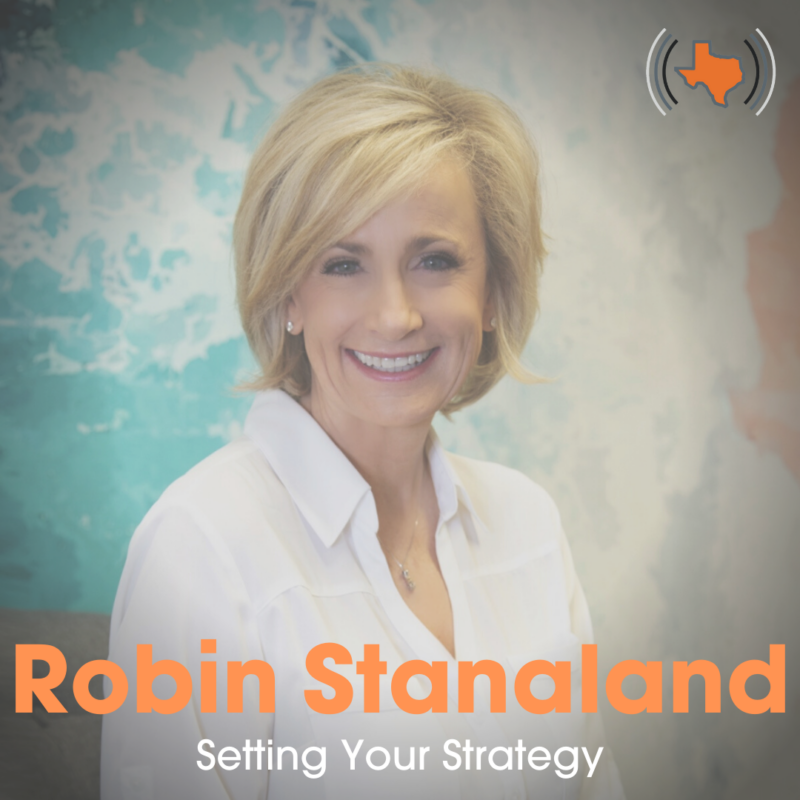
Robin Stanaland, CEO, Coach, and Business Advisor, joins the podcast to share her vast experience and knowledge.
She is a great resource for any entrepreneur or business owner. Not only because of her experience having founded and built her own company, a software and IT consulting firm, growing it to over 150 employees before selling it, but also as a Master Chair within the Vistage organization, and running an M&A consulting firm, working with CEOs and entrepreneurs to help grow their business.
Robin talks about the importance of setting a strategy with the end in mind and the importance of establishing core values in your business so you have those in place when you’re making difficult decisions.
Transcripts are generated by machine learning, so typos may be present.
Chris Hanslik: Hello, everyone. My name is Chris Hanslik, and I’m the chairman of BoyarMiller. In today’s episode, you will meet Robin Standelan. Robin is a great resource for any entrepreneur or business owner for many reasons. First, she founded and built her own company, a software IT consulting firm, grew it to over 150 employees, and then sold it. Since that time, she’s been a master chair within the Vistage organization, working with CEOs and entrepreneurs and helping them grow their business. She also has an M&A consulting firm where she does the same thing. In this episode, you’ll hear Robin talk about the importance of setting a strategy with the end in mind, as well as the importance of establishing core values in your business so that you have those in place when you’re making difficult decisions. Robin, it’s great to see you. Thanks for being here.
Robin Stanaland: Thanks for having me.
Chris Hanslik: We know or I know that you’ve done a lot of things over your career and you’re currently a Vista’s chair. Can you just maybe give our listeners a little more detail about your background and experience in the corporate world?
Robin Stanaland: Sure. I started as a administrative assistant at McDonnell Douglas to pay to put myself through college. So I put myself through college as a secretary and then got involved in the IT department and went to work for a person that was running avionics division and IT. And so that’s how I got my introduction into my next phase, which was SQL systems. And that was a custom application development company that we started from scratch with some guys that I worked with at McDonald Douglas. So we built SQL systems and sold it in December 99. And then I opened up my M&A practice in 2001, stayed to turn just in new owners for a couple of years, then realized I really didn’t want to have bosses.
Chris Hanslik: Okay, yeah.
Robin Stanaland: And the main reason actually was because my kids were 15 and 8 at the time and I realized with my biggest client being in Hong Kong and my travel schedule 40% of the time I was on the road, my Vistage group actually helped me become very aware of the fact that I was probably not paying enough attention to my family that I needed to. So that’s kind of how I chose my next, that’s how I chose to go into the M&A world. The selling SQL systems was so much fun. We sold it to Cerebus, which is a VC firm on Wall Street. It was exciting, fun, learned a lot. The guys that bought us were ex-Mackenzie and working with them with two years was like a NBA program. Super fun, but I was very absent. So my Vistage group helped me see the fact that you only get one shot at being a parent and that I was There are words exactly where you’re pretty cool and everything, but we’re not sure we could be married to you. So you might want to pay a little more attention to your husband.
Chris Hanslik: Well, look, it’s true, right? I mean, it’s hard to find that balance sometimes.
Robin Stanaland: It is very hard. So the M&A practice helped me do that. I decided I worked with an organizational therapist through Vistage, and she helped me come to terms with my non-negotiables. And I came up with a list of a few things. One was which I didn’t want to travel anymore. Two, I didn’t want to have employees. I had 150 of them. It’s a lot of responsibility. And so I didn’t want that. I wanted the freedom and flexibility of my schedule, because I made a KPI was to be home 85% of the time when my kids got home from school. but I wanted to still be making as much money as I was making as a CEO. So I had a lot of things and so that’s how I went out to figure out what I wanted to do and that’s why I started the M&A firm.
Chris Hanslik: So organizational therapist, I don’t know if I’ve heard that term before.
Robin Stanaland: It’s like a business psychologist. Yeah. Yeah.
Chris Hanslik: Okay. Very good. So then that led to your consulting practice.
Robin Stanaland: That led to the M&A work. Yeah. And that turned into a lot of consulting because you could talk to a business owner and they want to sell their business, but their business isn’t ready to sell or they think it’s worth $10 million and it’s really worth a million dollars. So I did a lot of helping people understand what it takes to sell their business. and the pillars of value and then what they needed to do. And that would help give them a game plan to do that. And then ultimately, you know, usually that’s a three to five year thing. So then I’m there, was there when they were ready to sell to help them go sell it, take it to market and sell it. Some prospects were ready to sell them, but a lot weren’t.
Chris Hanslik: Right. That’s why I think I’m so grateful that you agreed to come on. I think your experience is perfect for our listening base, which are business owners, entrepreneurs, or people that are thinking about doing that. And you’ve seen it from every angle. I mean, starting your own company, growing it, selling it, and then moving into this consulting role, if you will, where you advise people on what they really have and what do you really want to do with it and help them get there.
Robin Stanaland: Right. And then the Vistage Practice of coaching CEOs and owners figured out on their own through your questioning is quite fun also.
Chris Hanslik: Well, good. I’m sure, like I said, so we could probably do a series of things with you. Maybe we’ll as this conversation goes on. So let’s talk about kind of maybe the phases that an entrepreneur or business owner may go through and some of the stories maybe, advice you give, stories you’ve seen of success or where there have been setbacks as we go through these. I want to talk about starting out first. And so when you’re working with someone who’s starting their own business or has just started, what are some of the key fundamentals, you used the word pillars a minute ago, that you often bring to the table or suggest they consider implementing into their business?
Robin Stanaland: Well, someone’s just starting out. If they’ve already made the decision and they’ve already started, right? They’ve hopefully done the due diligence on what they’re getting ready to go do. You would be amazed at how many people start a business without thinking about, you know, their competitive advantages and what they’re going to be bringing to the table and who’s out there already doing it, barriers to entry, all that good stuff. So, assuming they’ve already started.
Chris Hanslik: Maybe you should start with those. What are some of those? You never know.
Robin Stanaland: It depends on the business that they’re starting. I find that most people who are entrepreneurs and are starting something from scratch, if you’ve ever read the E-Myth, they’re that technician of whatever it is, they’re just really good at something and they think, I’m really good at this. I’m going to go do it myself. I’m going to hang out a shingle and do it myself. And so they don’t realize the other components to running a business, right? You’ve got to have those systems and processes in place. So a new entrepreneur, I would say, really take the time to think about how do you systematize this business? How would you, not that you’re going to franchise it, but how would you franchise it, if you will? And that’s one of those things that we were talking about earlier, your guest, Jackie Fisher. That was having worked with her for so long. That was the pivotal moment in my opinion. of when her business kind of did that hockey stick. It was when she figured out that secret of systematizing and putting the processes in place, the repeatable processes that you can teach over and over again so you can just plug and play. instead of being so a lot of entrepreneurs, they end up being the business. So they’re the good technician, right? So then they’re, they end up being the best sales person and they end up being the, the CFO because they don’t want anybody to see their numbers. And so they end up being, and that’s really not scalable. It’s very limited, not sellable. It’s definitely not sellable. So I think the whole Stephen Covey began with the end in mind is super important when you’re starting your business. One of the first questions when someone interviews to be a Vistage member of mine, one of the very first questions I ask them is, you know, what’s your exit strategy? And you would be amazed how many people haven’t thought about their exit strategy. And I really believe even if I’m starting a business today, I’m thinking about my exit. What is it? I mean, maybe you don’t want to have one. Maybe the exit is I want my children to take over this business. It doesn’t necessarily always mean a transaction. Sure. But you have to think through because you’re going to build it for that.
Chris Hanslik: Exactly. You got to build towards something.
Robin Stanaland: Otherwise, you’re just going as if you got in your boat and you’re going to sail to Mexico and eventually you’ll get there. But if you have a charted course, you’ll probably get there a lot more efficiently. You’ll have the right supplies and you’ll make the trip a lot more pleasant if you know where you’re going.
Chris Hanslik: It won’t be by chance.
Robin Stanaland: That’s right. And so I’m a big believer in strategic planning. I don’t think there’s a bad plan, like there’s all kinds of methodologies out there, whether it’s EOS or just a person’s, you know, a consultant who has their own or a burn harness, whatever. It doesn’t really matter. The plan, it’s the execution of the plan.
Chris Hanslik: Right. Otherwise it’s just pretty paper.
Robin Stanaland: And that’s where most people fail, is they don’t execute on their plan. And so I think that’s really important to start with a plan.
Chris Hanslik: Start with a plan. Figure out what it is you really, where you want to take this and end up.
Robin Stanaland: Yeah. And so if you know where you want to be, so it’s just kind of like that lesson, I don’t know about you, but my mom always taught me when I was young, you dress for the position you want, right? And so it’s the same thing, right? Build it for the company you want it to be. I’m sure your marketing person, who’s lovely, by the way, that we just met, would tell you. If you’re gonna create, you wanna get to be a hundred million dollar company, well then create the collateral that looks like a hundred million dollar company, right? And so same thing in the plan of where you wanna go. If I wanna be a hundred million dollar company, I need to think about what does that look like now, even as a startup? Even if I’m the name that goes in every box, I need to know what the boxes are. And I need to know the priority of the boxes, right? What comes first? What’s the first resource I need? You know, is the first resource a, an operations person or is the first resource a salesperson, depending on what your strengths are.
Chris Hanslik: Right. Identifying your own strengths and weaknesses, right?
Robin Stanaland: Yeah.
Chris Hanslik: And build around your weaknesses. That’s right.
Robin Stanaland: And yeah, build your team around your weaknesses. A lot of us hire people we like instead of people we meet.
Chris Hanslik: Yeah, I can see where that would be. That’s a problem. It’s a bigger problem when the person you like maybe doesn’t work out and it was a friend or something and it becomes a friend and then you have to have a hard conversation.
Robin Stanaland: Something I wouldn’t do as a startup is hire friends and family if you can avoid it. So in my Vistage work, I work with a number of companies that have family embedded in the company. So it’s very difficult to navigate if you’re going to grow a true enterprise. Very difficult to do in a family environment, right?
Chris Hanslik: Sure.
Robin Stanaland: Same with hiring friends. Partnerships are tough. I don’t see many partnerships that work.
Chris Hanslik: Yeah. So maybe we’re hitting on some, but if you think about maybe a couple of things, and you mentioned Jackie, that someone starting out did right that really propelled their success, you know, other than Jackie, anything come to mind?
Robin Stanaland: Well, I mean, starting with the end in mind. So, you know, thinking about how do I really want to structure the business and what are my core values? Right. And hiring and firing to those core values. A lot of times when we start up, we’re kind of desperate for people who are going to come and, you know, hitch their hitch to our wagon. And so really making sure you’re saying true to your value system and keeping a focus on the culture you want to build. And I think that’s super important too.
Chris Hanslik: Any setbacks that you see people go through that either took the company down or almost did?
Robin Stanaland: Oh, goodness, yes.
Chris Hanslik: Can you give us a few examples of those?
Robin Stanaland: Partnerships. So I have this saying, which I know you’ve heard because you’re in my VISTAs group, unspoken expectations are premeditated resentments. And I find what happens a lot in partnerships, we’re doing this thing because we’re friends and we’ve been talking about it on weekends when we’re sitting around watching the ball game and having a few bourbons and we think we could do this better than our bosses can do it. But we get into it and then we haven’t really set the expectations on what each of our responsibilities are. What are we both going to bring to the table? I’ve seen it fall apart a lot of times personally and in my clients when there’s not clear expectations set. And it’s not just around partnerships, right? It’s about any employee you hire having those success factors. What’s going to make you successful in this job? And let’s set those clear expectations.
Chris Hanslik: And I would say, not to be too technical, but if someone thinks we’re talking about partnership, it is really any entity. You could be an LLC, right?
Robin Stanaland: Oh, absolutely. Yes, yes, yes.
Chris Hanslik: Going in business together, make sure that everyone’s on the same page about things. Make sure you have good documents. Oh my gosh, that’s where you come in really handy. Well, we hope so.
Robin Stanaland: Hire a good attorney if you’re starting a business, especially with a partner.
Chris Hanslik: I think I would say we’ve seen a lot of the same. I bet. can come to us after they’ve done those things and then so you know either a group of four and two or matter the other two or something and the document doesn’t provide any guidance.
Robin Stanaland: Yes I bet you’ve seen a lot of that.
Chris Hanslik: We have we have and so we always tell people don’t do 50-50 or have a tiebreaker solution. You’d be surprised how many people do.
Robin Stanaland: Yeah yeah that you would be surprised. So very best piece of advice for starting businesses Call BoyarMiller.
Chris Hanslik: Right.
Robin Stanaland: And have him help me set it up right.
Chris Hanslik: I’m going to have to pay you for that. So that’s, I guess, some looking at startups. And when you think about the way you built your company, key fundamentals that you felt like y’all put into place, you and your partners put into place that really set you up for success. And maybe it’s just in looking back, you’re like, wow, so glad we did that. Didn’t realize how lucky.
Robin Stanaland: Yeah, I wish I could say that we were smart about that, or maybe more. I wish I could say we were intentional about that. You know, I was really young and I had never run business before. I will tell you, and this is not a plug for me, but joining Vistage was pivotal and instrumental in our ability to build that company so quickly and sell it. There’s, and I, like I said, it’s not a commercial for myself, but it really was. Because I didn’t know and that’s where I learned. I don’t have an MBA. I have a marketing degree. I didn’t learn all that stuff in college and I didn’t learn it on the job because, like I said, I had put myself through school as a secretary. And when I was in the work role prior to that, it was more of an analyst position. And so it was on the job training for sure. But what I did have is the passion for what we were doing and the belief that we could get there. So I knew where we were headed and it was about just getting people to come and follow. But the lessons, the business lessons I learned in Vistage were what really made the difference. And I would say it’s all these things that I talk to you guys about, right? It’s about setting, having a good strategy and being deliberate about your culture and having core values that you hire and fire on. and setting clear expectations when you hire people. And then it’s about really incenting people to have a common purpose. I really believe in a team that can hold each other accountable and not having to have a boss that holds you accountable. And so you have to have something that you’re all working towards together, whether that’s, you know, A common purpose, I think, is essential.
Chris Hanslik: Sure. Well, I think that’s not as much of yours to say than to do, right? And figuring out how that… What that is. What that is. It’s going to incentivize a team in a way that is good for the company and its growth, but also good for that team. You mentioned culture, and to take you back to your company, what did you do to really build the culture and, more importantly, sustain it?
Robin Stanaland: Gosh, I don’t know that… as much as we were a team of very young people who were all kind of at that same stage in our careers. And so we were truly a team and everybody’s opinions mattered. and we were building something together. But I think of some of my Visage members who have cultures in today’s world, right? That was back in the 90s when I was doing that. Very different now, right? Very different, very different. But if I think about one of my members right now who is a software company, and the things that they have done, they have the most unique culture of all my clients. And I spend over a thousand hours a year in one-on-one conversations with CEOs and business owners. And I don’t know how many hours a year in the groups, right? And so I hear a lot about different companies and different cultures. And this particular company’s culture is all about having everybody included in focused on the profit. It’s an owner’s mentality. Their goal from the beginning, from when they were a thousand dollars in sales was to have an ownership thinking and they share their numbers. and everybody profits in the numbers and they created a work environment that has a running track, two gyms, you can bring your dogs to work, there’s a kennel there. You get $2,000 a year to spend any way you want as long as you’re taking a class in something. You can go to wine tasting if you want. You can go to rock climbing. Whatever the, but they want you to enrich yourself and learn something new. You want to go to college? They’ll pay for that too, but this is just something to enrich your life and make you better. They, they set up teams. It’s so cool. Once a year you get, I think 16 hours during work hours to come up with new idea, innovative ideas of new things that the company could do. whether it’s with their existing products or some innovative thing that company doesn’t do. And then you get it, create a team and your team presents it to the company. And then the company can either do something with it or not, but they’ve had all kinds of new ideas for their company that way. It’s very unique. You know, this is, you know, a company that during the whole COVID thing gave back to their community. They gave money to their employees to to say, hey, pick companies in your community that are suffering and we’ll help them much like the government’s helping and give them scholarship money to help people. You know, the companies that couldn’t get PPP money, the dry cleaners, the, you know, people who didn’t have a bunch of employees wasn’t going to be anything.
Chris Hanslik: Right.
Robin Stanaland: But they let their employees think about their community. This is a company that when Ike happened and so many people were suffering, I think it was Harvey. They have this huge area in their building that is used for meetings. They went out and bought a whole bunch of bunk beds and they turned it into living quarters and the Amish came down from Pennsylvania to help repair people’s homes and they let all of these Amish people, I can’t remember how many, maybe it was 50 or so Amish people, live in their office. in this space, because they have an industrial kitchen in there so they could cook their meals, so that they’d have a place to stay while they went out and helped the community rebuild their homes. They’re just an incredible culture. Yeah.
Chris Hanslik: I would think they have low turnover.
Robin Stanaland: Low turnover, yes. And they’re high tech. And so that’s interesting work. But to get hired there is so hard. because you have to go through a lot of process to get there. You have to pass certain tests and assessments. And I recently, I said to them, they have like 60 openings right now. And I said to them, one of my old employees applied. I encouraged him to apply. They’re like, oh, you’re perfect for them. We’re soulmates. It’ll work. But they didn’t get hired. And I didn’t tell Mr. Schrammer that I had sent someone I knew. But when they didn’t hire him, I just asked him, do you ever think that you miss out on good people because your process It’s pretty rigorous. Rigorous. And they said, we have the best place to work and we only want great people. And if they can’t get through that, then they’re not great enough for us. I know we wouldn’t change it for anybody.
Chris Hanslik: So they’re very jealous of it. Oh, my gosh.
Robin Stanaland: Yes. So that’s a culture that if I were going to build a company today, I would want to build a company like that. But I will tell you, that’s a struggle right now after COVID. Everybody went home. They have a three building campus. It’s a beautiful campus. Everybody went home.
Chris Hanslik: So what do you hear from them about their struggles now today? in maintaining their culture. What are they struggling with?
Robin Stanaland: They’re struggling with the fact that they haven’t made a mandate that you have to come back to work yet. They were going to do it in the fall when school started. They said, well, we’ll do it when school starts. But then that was kind of when this new thing hit. And a lot of people had daycare issues and said, so we’ll wait till the first of the year. They weren’t going to they weren’t going to alter it at all. It’s just everybody come back. We’re going back to the way it was. But so much pushback that they’re going to I think two days a week. You can work from home and the rest you have to be there. But they’ve made the decision we’re going to have some turnover because of it. And we’re just going to have to deal with that because their culture is built around being together.
Chris Hanslik: Sure.
Robin Stanaland: You know, it’s very different to If you’ve been there, it’s one thing, but if you’ve never worked there and you get hired on, you have no idea about this culture.
Chris Hanslik: Of course.
Robin Stanaland: And you don’t have that loyalty to the company that you do once you’ve experienced that.
Chris Hanslik: And I think that, you know, I don’t think they’re alone in that. I think what I hear and what I’ve experienced is this, you know, the separation, the work from home, the quarantine, has eroded culture, even good ones because the really good ones are built on human connection and that’s really what it’s about and when you’re not connected or it’s only through a video screen, it’s different and it’s a little bit more challenging to maintain those connections.
Robin Stanaland: I was in a one-to-one with one of my CEOs yesterday and they got rid of their office. Everybody’s gone remote. And he said, you know, this really isn’t an issue for us. We’re just as close as we’ve ever been. We’re on teams and we’re talking a lot. I said, okay, but you have a very small group of people and you’re one team. Now, scale that out and think about a larger company where there’s many teams. You can get that on a team, but you don’t think you can get that as a company. This is a real challenge for this company in particular, but I think it’s a real challenge for a lot of our businesses out there.
Chris Hanslik: I agree. Okay, so let’s kind of move and talk about when you’re working with someone that is ready to grow or in that growth stage, what are some of the fundamentals that you try to get them to focus on to make sure that they actually can take advantage of that growth or it can be successful because sometimes people can grow too fast.
Robin Stanaland: They can.
Chris Hanslik: And that can be detrimental to the company.
Robin Stanaland: So I think the big part of that is the numbers, right? So they’ve got to look at where’s that growth going to come from and are they going to have to invest a lot of money for organic growth or are they going to do that through acquisition and do they have the financial base? to be able to handle that. And then, you know, that then are you willing to take on debt for that? Or are you wanting it to be organic? So a lot of the money piece is determinant on your growth strategy. But let’s just say you have enough money, then it’s is it going to be organic? Or is it going to be acquisition? And then that’s, you know, two different if you’re going to go acquire companies, it’s that’s one one set of things. And if you’re going to go, if you’re going to say, I’m going to hire a sales team and do this again, that’s another set of challenges.
Chris Hanslik: Right. So let’s talk about it. So let’s go the organic route. Challenges include, I guess, just the whole recruiting and hiring process, right?
Robin Stanaland: That’s the biggest one right now today is recruiting and hiring for sure. But it always is, especially in the world of sales, which I’m very passionate about sales. That’s really what my core competency was in the startup is selling, right? So sales is a big part. It’s very hard to hire salespeople. They’re very good at selling, so they should be able to sell you on them in an interview, right? Right. At least I hope so. Right. So I’m a big believer in using assessments as at least a third of your hiring process. You know, your interview should be another third and their background another, but you know, getting the right salespeople on your team. But then Something I see that people don’t have is good sales process and good, you know, a good sales model. I love Sandler sales for that. For example, they have a great program for teaching you how to put that process in place. So if you get the right sales team, now you should be able to go get the business. Now you better have, hopefully you set yourself up with the systems and processes to be able to take on the work.
Chris Hanslik: And that’s part of the equation or evaluation when you’re starting to think about growth, right, is do you have the infrastructure that can handle it? That’s right, exactly. Okay, so then if you go the acquisition route. Integration, you’re going to be buying a company that already has employees, right? Integration can make it or break it, right?
Robin Stanaland: Integration can make it or break it. Integration is very hard, very hard. So in choosing a company you’re going to buy, you’re going to look at all those levers of value that I mentioned earlier, right? So is there, depending on how big they are, is there, how involved is their owner? Cause I hate to break it to you, but the majority of owners are not going to stay for very long.
Chris Hanslik: Right.
Robin Stanaland: Because most people sell their business once in a lifetime. And when you sell your business, I tell my, when I am helping someone sell their business, this is your baby. This is like one of your children. Absolutely. And you’ve just given it up for adoption and now you’re going to live in the house with the people that are going to parent it. And they’re going to do things completely different than you.
Chris Hanslik: It’s a perfect analogy.
Robin Stanaland: It’s going to work. It isn’t. Yeah. Eventually you’re not going to be able to stay there. And maybe, you know, you’ve got an earn out, you can pull it off for a little bit, but there’s gonna be. So if I’m acquiring a company, it’s real important to me to understand that owner’s culture, how embedded they are in the culture. Are they the sales process or not? How does this business work without you? So you definitely wanna acquire a company that doesn’t require the owner. And that’s a T owners perfect.
Chris Hanslik: Yeah, it will and I think that even, goes to value, right?
Robin Stanaland: Absolutely.
Chris Hanslik: Because if it’s all in that one person.
Robin Stanaland: That’s one of those pillars of value, exactly. And then are the systems and structures in place? And how the business runs? And there’s all those things to look at in doing an acquisition. And now we’ve got to look at how the integration is going to work, right? So who’s on those teams and really understanding? Because the employees, it’s so funny, when I sell a business, the seller’s employees are always afraid that the buyer is going to get rid of them. And the buyer’s always afraid that those employees are going to leave. It’s like, they wouldn’t be buying you if they didn’t want employees. You’re fine. But people get so spooked, right? They do. It’s human nature, I guess. So hoping those people are going to stay. And when you do an acquisition, you want a company that’s solid, that people are going to stay.
Chris Hanslik: And I think that’s where the acquiring company, the communication becomes so important. And then teaching. letting the people that you’ve acquired integrate and learn what the culture is. Because without that, they will leave if they don’t feel welcomed, if they don’t understand the culture. And then there’s always going to be some collateral damage and maybe a job delimitation here or there. But for the most part.
Robin Stanaland: Outside of that back office stuff that often integrates together and you have to decide who’s staying. The majority of the people, they want. And you hit the key on the head. I think the very most important part in any integration is communication. I mean, in the dark is where people create monsters, right? You’ve got to over communicate to the company that you acquire. About what’s next and who where their role is and what their place is and you know depending on size obviously it makes a big difference in the size of the company acquiring and being acquired. There’s just all a lot of it depends on there but communication I think is key.
Chris Hanslik: So let’s talk now about you already touched a little bit on it but the cell or the exit so when you’re. Working with these owners, what are you telling them as they get ready to sell a company? Maybe they already have the LLI or they’re getting one. What are some of the things you do to prepare them for the process?
Robin Stanaland: So if I’m taking them to market, the first part is on the financial side, because I’m sure this is no surprise to you, but a lot of small business owners live out of their businesses, right? And so they’re showing no profit because they don’t want to pay taxes, and then they expect to get these huge multiples on something, I don’t know what, because their tax returns show no profit. I’m like, you’ve pretty much already bought the business from yourself. So congratulations. So hopefully they’ve cleaned up their numbers. And they’ve cleaned up their numbers enough to get that business sold and get a good multiple for the business. But when I talk to them about what to expect in the process, it’s first of all, understanding the emotional components of it because I think it’s most important.
Chris Hanslik: The baby you were talking about.
Robin Stanaland: Yeah, exactly.
Chris Hanslik: We use that analogy all the time.
Robin Stanaland: It’s so true. It’s true, right? Yeah. And having a good deal team is paramount because if you don’t have the right attorneys, again, this keeps coming up, but attorneys like yourself who are deal makers and not deal breakers, I see deals fall apart all the time because the attorneys aren’t on board, right? So making sure you have the right deal team to help shepherd you through the process.
Chris Hanslik: Or they just get in the way. They try to overlore your points that may be unimportant to their client.
Robin Stanaland: Yeah, exactly. Right. And so, yeah, it’s knowing what you want. What are the most important things to negotiate on? Because it isn’t always just the sale price. There’s a lot of other things that are real important to an owner, especially an owner that’s staying. There’s things that are real important. On larger deals, there’s things that are more important. A recent deal that comes to mind is, you know, this person had a great culture. They were profit-sharing, ESOP culture, and so it’s real important to him that the employees had certain things taken care of and that he wanted that in the deal and in writing. More important than the sale price to him was that my people have been getting profit share. I don’t want that to go away. Well, private equity usually doesn’t profit share.
Chris Hanslik: Right.
Robin Stanaland: So we had to negotiate some sort of an arrangement that would make that work for the employees, you know, otherwise it wasn’t going to happen.
Chris Hanslik: That’s great.
Robin Stanaland: So knowing what’s important to you and knowing what points you’re willing to give on and not give on, I think is I personally think it’s important to have a person doing that for you. Because, you know, buyers and sellers can say things that they don’t think will offend the other, but they do. It can hurt someone’s feelings or cause a rub where it could blow up a deal. So having someone in the middle that can play the bad guy and keep everybody happy, I think as a facilitator through the acquisitions, is very helpful and can keep a deal on track.
Chris Hanslik: That’s what everybody wants, right?
Robin Stanaland: Yeah. Just get to the close.
Chris Hanslik: Yes.
Robin Stanaland: With everybody happy.
Chris Hanslik: So let’s talk a little bit about leadership style. Again, you’ve seen lots of them. What are some of the attributes of leadership styles that you’ve seen that have been really successful in growing a company, creating and maintaining good culture? Tell us about some of those experiences.
Robin Stanaland: Well, I think a servant leadership style is My style that I think works the best, also a leadership style that is communicative and vulnerable, is willing to admit when they don’t know, right? The old, what I grew up with was the command and control kind of environment. Right. And, you know, that just doesn’t work in today’s world. And I’m not sure it worked then. It was just mostly what we got, right?
Chris Hanslik: It was all you had, right?
Robin Stanaland: I didn’t know any different. I can’t imagine some of my bosses being vulnerable. But yeah, I think that if you’re communicating with people and they know what they know you and I think people are willing to everybody shows up to work in the morning wanting to do a good job Right and if they like the person they work for and they believe in the vision and they believe where you’re going I think they’ll follow you to anywhere and they’ll support you in that effort And I think you have to be there to support them and what they want I’ll tell you one of mine one of my members who took their company public I was amazed by… I always say he’s probably the best CEO I’ve seen from this perspective. You know, he would sit down with you no matter what level employee you are. And he wanted to know what your goals were, not your goals for your job. I mean, he wanted that too. But what are your goals in life? What do you want to have, do and be? What do you want to accomplish? And he would get a whiteboard and a flip chart and he would write those down for that person. And every few months, six months, he’d pull them in, check in with them and check in on their goals. And where were they on them? And he says, your goal might not be to work for me. I want to help you get them. I want to help you get where you want to go. Oh my gosh. He has such loyal employees. People don’t want to leave there. He’s gone public. He’s one of the fastest growing home builders in the country. He’s won all kinds of awards. He’s done a great job. First of all, he understood that he wasn’t a home builder. He was a salesman. He created a sales engine. He created those processes and procedures on the get-go. And then he cared about his employees, about what they cared about. he helps them get what they want in life. And they’re devoted to him. One of my daughter’s best friends out of college, I helped her get a job there. And she’s a few years into it. She was so mad. She’s like, so mad at you for helping me get to work there. I’m like, why? She goes, because that’s like the job that you want. That’s like your forever job. It’s like meeting your husband in high school, right? You want to experience the world for her.
Chris Hanslik: She didn’t want to leave.
Robin Stanaland: She didn’t want to leave, but yet she wanted to go see what else was in the world. She had to leave to go see what the world has to offer. And now, 10 years later, she goes, that was the best job I would have ever had. I go, I know. But anyway, I think a good leader cares deeply for his or her people and I think they help them get where they want to go.
Chris Hanslik: I think it’s beautiful. I agree. Show them you care and you genuinely really care.
Robin Stanaland: Yeah, you have to be authentic about it.
Chris Hanslik: Right.
Robin Stanaland: But yeah, I think so. Help them along the way.
Chris Hanslik: One or two tidbits of advice when you do talk to them and then you’re talking to them now, if they’re listening to this podcast, if you’re out there about to start a business, what are one or two things that you think people just must do to set themselves up for success?
Robin Stanaland: Make sure you have some financial runway, right? Make sure you’ve done some competitive analysis. Know how you’re going to sell your product or service. Just because you’re good at it doesn’t mean you can go out and sell it. So you’ve got to have that sales component. Where’s the revenue going to come from? Create your strategic plan with the end in mind. So be clear on where you’re going. Get that vision of clarity. Figure out what your core values are, because that’s probably going to be the core values of your company. And hire and fire to those core values. Don’t compromise on that. Please don’t hire family and friends if you want to stay in that family and stay good friends. Try to do it without doing that if you can.
Chris Hanslik: That’s a good one to end on for that. So let’s talk a little bit about you and have some fun. Maybe you haven’t told us. What was your first job before you were a secretary?
Robin Stanaland: My first job was working in our family business. So it’s kind of sad in that my grandparents had a Christmas store. And my grandfather had a Christmas store in the winter months and an asphalt company in the summer months. But our whole family would work in the Christmas store together. It’s great memories. So my first job was fixing Christmas lights.
Chris Hanslik: Okay. So you were like the true seasonal worker before that was done.
Robin Stanaland: I was, yes. And so I can fix any Christmas lights. Of course today they’re a little different than they were back then. But yes, that was my first job.
Chris Hanslik: And now I know the call.
Robin Stanaland: I would get a dollar an hour. You call me, I can generally fix them. Okay. Yep. I do get calls still, but the business had been a business for 74 years. This is the 74th year. And unfortunately my cousin, is getting divorced and the business is gonna get shut down through the divorce. I’m so sad about that because one more year would have been 75 years. My cousin took it, horrible story, I don’t know if you want, probably don’t wanna hear it.
Chris Hanslik: Will it be open this Christmas or no?
Robin Stanaland: It won’t, this is the last Christmas and we didn’t know that was the last Christmas or else I bet they would have had great sales. Cause it’s the only little store that’s kind, I’m from the East Coast, it’s from the East Coast. And, you know, with the big box stores and everything, of course, they probably would have been out of business years ago, but because that’s where everybody went to Costello’s, it’s a family thing. People’s grandkids, because their grandparents have been going there for so long.
Chris Hanslik: Sure. Well, I’m sorry to hear that.
Robin Stanaland: Yeah.
Chris Hanslik: Okay, so let’s go to something more fun. Food preference, Tex-Mex or barbecue?
Robin Stanaland: You know, I’m not a big… I’ll eat either one.
Chris Hanslik: Come on, Robin.
Robin Stanaland: If I had to pick, I’d say barbecue.
Chris Hanslik: All right, barbecue. You’re the first person that I’ve interviewed in these podcasts. Do I have to choose between one of those two? I don’t like them. I mean, everyone’s like, okay. I don’t dislike them, but yeah. I go because my husband likes both. Well, it’s a Texas podcast, so I’m not gonna ask about tofu and stuff like that. All right. If you could take a one month sabbatical, what would you do and where would you go?
Robin Stanaland: I would go somewhere on a beach and just do nothing probably, but listen to the waves. Isn’t that terrible?
Chris Hanslik: No, it sounds great actually.
Robin Stanaland: I love the beach. It’s my happy place is listening to the waves. Yeah, so that’s what I would do because I don’t take a lot of time off.
Chris Hanslik: No, I would say I share that’s for me where I like to go to recharge. Yes, I totally get that. You might look down the beach and see me. Okay, awesome. Well, Robin, thanks so much for coming on. Love your insight. I mean, you have such an amazing journey and experiences where you’ve got to work with so many different business owners that. It’s a privilege. It really is a privilege to do the job I do. It’s awesome. Well, I’ve enjoyed getting to know you, obviously, outside of the podcast, and I’ve gotten a lot of value from knowing you, and I think we’ll have to find a way to bring you back on later.
Robin Stanaland: Awesome. I love it. Thanks so much.
Chris Hanslik: Have a great day.
Robin Stanaland: You too.
Chris Hanslik: And there we have it, another great episode. Don’t forget to check out the show notes at boyarmiller.com forward slash podcast. and you can find out more about all the ways our firm can help you at boyarmiller.com. That’s it for this episode. Have a great week and we’ll talk to you next time.
With a deep understanding of your business alongside clear and honest communication, we help clients face challenges fearlessly.
Learn more about our services and how we help clients.