


With a deep understanding of your business alongside clear and honest communication, we help clients face challenges fearlessly.
Learn more about our services and how we help clients.



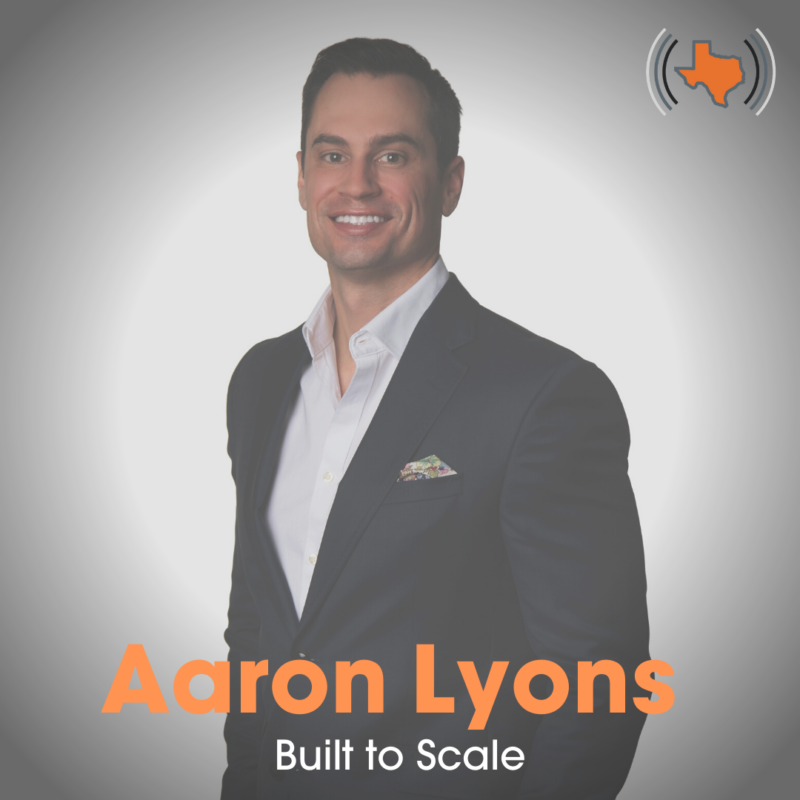
Aaron Lyons, Founder and CEO of Dish Society, a casual farm-to-table restaurant brand with several locations across the Galleria area shares how he took a business-based approach to the restaurant industry, validating the market and building the first locations with scale in mind.
Transcripts are generated by machine learning, so typos may be present.
Chris Hanslik: Hello, everyone. My name is Chris Hanslik, and I’m the chairman of BoyarMiller, a mid-sized law firm in Houston, Texas. I want to welcome you to Building Texas Business, a podcast about corporate innovation, entrepreneurship, and business leadership in the Lone Star State. The goal of this podcast is to learn from some of the best business leaders in Texas in hopes that their stories of growth, challenges, and success will inspire our listeners in their own journey to building a successful business. Today’s guest is Aaron Lyons, CEO of Houston Restaurant Chain Dish Society. A native of Boston, Texas, Aaron has carved out his place as a hospitality leader through unconventional means. Starting his career as a young business consultant with Deloitte Consulting, he traveled to cities across the country and noticed a distinct lack of quick and affordable options for fresh, healthy meals. A lifelong athlete, He longed for restaurants where he could dine regularly without compromising his health or his budget. From his first restaurant concept to now having six locations in the greater Houston area, Aaron continues to expand throughout Houston and Texas. Welcome to the podcast, Aaron.
Aaron Lyons: Thank you. Thanks for having me. Appreciate it.
Chris Hanslik: Well, glad you took the time to, I know you’re busy and expanding into new concepts as we speak. Right. But tell us a little bit about what your business is known for.
Aaron Lyons: So 512 Restaurant Concepts is the holding company that sort of houses our different concepts. Dish Society being the main one, the first one. So we started in 2014 and we have six locations now and we are looking to expand outside of Houston. Dish Society is what we call a flex casual concept. So we do counter service during the day, full service at night, farm to table focus, really focused on local purveyors, seasonal menu changes, and really just trying to be more ahead of the curve on eating habits. And so, you know, we really pay attention to a lot of the details, whether it’s the locally roasted coffee or fresh pressed juices or anything like that. But everything is, for the most part, locally sourced that we can get locally. So it’s really a Big focus on the ingredients and what we, what we do with it. And we think like our demographic really appreciates that organic sodas. We have a lot of those things locally craft beers. So really, I think those are really good void. The new concept we’re doing is called daily gather and it’s. More or less in more elevated version of Dish Society. So same emphasis on sourcing and quality and chef driven, but it’s full service all day. And so it’s a little bit more elevated, a higher price point serves our same demographic, but just in kind of a different way for different occasions.
Chris Hanslik: So, okay.
Aaron Lyons: What inspired you to get into the restaurant business to begin with? So I was a consultant for Deloitte. I was living out of a suitcase. I was traveling all over the place. I was based in Dallas at the time. I was only in town for maybe 48 hours a week. So I didn’t go shop. I didn’t cook, didn’t know how to eat out all the time, ate out on the road, ate out in airports, ate out, you know, at home, literally every single meal. So I just found it real difficult to find something that I could go to like three or four times a week, you know, or even twice a week to find just reasonable food. And at the time, and this was about, you know, 10, 12 years ago, there really wasn’t anything in between sort of maybe your Chipotle Panera Bread sort of segment and then like a Houston’s or a you know, more of a kind of a higher end casual place. There was really nothing in between. And so my goal is to create something that’s fit right there. So if you only have 30 or 40 minutes for lunch, you could pop in, get a really good meal and leave and not have to valet and not have to tip and not have to wait for somebody to bring you your waters or your check or anything like that. So that was really the premise that got me kind of obsessed with the idea. So it was really just meeting a need that I didn’t feel like was being met from a customer’s perspective. I had no restaurant experience. I’d never worked in restaurants growing up. I never like aspire to be a restaurant owner. I’m not a chef. People ask me all the time, are you a chef? I’m like, no, I can’t cook anything. So it was really about an opportunity that I felt just wasn’t really being, you know, adequately met at the time.
Chris Hanslik: It sounds like something that was important to you and you assumed that there were a lot of people out there like you. Correct. Looking for something to fill that void.
Aaron Lyons: Yeah. And, and, you know, of course I did. I said, well, if I’m feeling like this and other people should be as well. And a lot of times I think people do that and it’s, it’s, can be naive to think that way sometimes. I spent, you know, three years basically researching and validating that claim. I wanted to make sure that there was people actually feeling that way and that there was a lot of them before I really jumped into it. So your consulting background. Correct. Helped you there. Yeah. Market validation, you know, how many people actually care about this, want it, we’ll pay for it. How much will they pay? Where are these people? You know, all of those things. So I just did a ton of research. Uh, that’s when I was, went back to business school. So this was sort of in the middle of financial crisis, right? All this stuff happened. Oh, eight or nine. So I went back to business school and I use that two years as really an incubator for this. And I really just dove headfirst into getting everything kind of lined out.
Chris Hanslik: What had been some of the, the key factors that have helped you build the business to where it is today?
Aaron Lyons: I think really having an emphasis on first of all, building it with scalability in mind. So I never sought out to open one restaurant. For me, it was always, we’re going to have dozens of these right all over the country. And so a lot of the decisions we made at the beginning were based on that. So being very forward thinking and having a longer term approach versus a short term. I think the business side of things, the business acumen that I had possessed before going into this, I think really. gave us an advantage over a lot of restaurants start without a business background. Their chefs are their restaurant industry people and they don’t necessarily have that business background. It’s such a slim margin business, there’s not a lot of room for error and you can make a really costly mistake and sink the whole ship very, very quickly. And so I think that helped a lot. And then focus on the culture and leadership and knowing that really the bottleneck for our growth would revolve around human capital, not financial capital, right? I knew I could raise money. I knew I could find locations. It was, can we develop a pipeline of leaders that can support our growth? And so I think that all of those things are easier said than done. And we haven’t always gotten it right by any means, but I think our continuous focus on those elements, I think, has really set us apart.
Chris Hanslik: So, man, certainly on the people side makes total sense. I want to go back to what you said about from the beginning building it for scalability, what were some of the key elements that you implemented early on that you felt were those building blocks for future scalability?
Aaron Lyons: A lot of it was technology based or infrastructure platforms based that we could document our recipes, document our cost of goods, scheduling, training and development and creating things that’s not like, okay, we open the second or the third location and it’s like, well, this person makes the soup. They have to go to each location. do this. We opened a commissary at the same time as we opened our third location to really consolidate operations and maintain consistency. So a lot of it had to revolve around systems and just putting systems in place. And you can’t open day one with all the systems you need, right? Right. Absolutely. Half the time you don’t know what you need. And then the other half, you don’t have the time or the resources to even build those. And then some of the times you’re people won’t receive them because it’s like it’s one restaurant why we have to do all these things or whatever. So part of it just comes with time. So systems, systems, systems, always systems.
Chris Hanslik: And it’s great advice for people that are listening out there that are, you know, starting out new, you know, that concept of, you know, have a purpose of where you want to end up and build from the beginning to get there.
Aaron Lyons: And I, and I think sharing that and being so open and transparent about that and that, I think what has attracted a lot of our, you know, higher caliber team members and leaders, they see the growth. We’re not just, we’re walking the walk, right? Like we sold it at the beginning, but everybody was like, okay, you know, most restaurants fail, whatever. And then they saw us open a second and then a third and then, okay. We get it. Now everybody’s got opportunities to grow and things like that. And so that’s kind of how it really evolved. And talk about the vision, sell the vision. Get people bought in on, hey, we’re opening a bunch of these. This is what we’re doing. This is why this is important. Explain why we have systems because when you have three or four or five restaurants, or you grow your business to 200 employees over 10, it’s a lot harder to implement things the bigger you get. So the easier you can start to build the foundation for that, the easier it is as you get larger, you can grow quicker.
Chris Hanslik: So as you’ve been along this journey of quality of product, but with a mind for growth in the future, what are some of the things that you believe you’re doing that are innovative either for your industry or just business in general.
Aaron Lyons: Sure. Yeah. I mean, I think from a HR perspective, I would say I don’t think anything necessarily we’re doing is innovative, but it’s innovative for the restaurant industry. And that’s, you know, our, our wellness benefits, our benefits in general, just our focus on work-life balance, which is unheard of in the restaurant industry, right? Like, I mean, we’re, we’re only closed two days a year. That’s it. Wow. And we’re open from 8 a.m. to 9 p.m. every day. So, You know, we’re going a hundred miles an hour all the time and that can really wear you out and create a lot of burnout. And so just relentless emphasis on work-life balance and keeping people engaged and happy and taking care of themselves. I think that that’s something that you’re starting to see a lot more of now because people frankly, they have to, right? And the workforce demands it and they’re not going to go somewhere that doesn’t care about those things. So I think that that’s innovative relative to our segment. You hear a lot about that kind of stuff in, you know, startups and Silicon Valley and, you know, the Googles and the Facebooks are doing a lot of that stuff. And, you know, we definitely borrow a lot of ideas from those folks as well. To the extent we can, we can’t, you know, do some of those things, right? There’s a ping pong table at the restaurant. Correct. Correct. Yeah. But we try to, we do wellness Wednesdays, for example, where, you know, one Wednesday a month, we partner with a local Houston sort of boutique fitness place. So we’ll do yoga, we’ll do spinning, we’ll do boxing, we’ll do CrossFit, we’ll do meditation, we’ll do these things, you know, just dieting, how you can, you know, live a better life and we invite our staff and they can sign up and come do these things for free and we have, we give a yoga mats and we reimburse people for their gym memberships or yoga memberships or massages or whatever it takes to get them to decompress. So I think those things are very innovative. From an operation standpoint, the systems I think that we’re putting in place are, like I said, typically you don’t see them in a restaurant chain our size. You typically see those in a much larger chain. So I think the fact that we are really on the forefront of that, I think our model in general is pretty innovative doing flex casuals. So doing counter service during the day and then switching to full service at night, I think is really innovative. And that really came about because I look at these purely fast casual places and they were super busy for lunch. and then at dinner, nobody was there. Nobody wants to go wait in line. Someone wants to sit down at some point, right? Correct. You’re not in a hurry at dinner. You don’t have 30 minutes to get back to the office. That’s really what turned it on its head for me and we started innovating from that perspective.
Chris Hanslik: taking that point. I don’t know if anyone else is doing that. And maybe you’ve learned there’s a few concepts doing it.
Aaron Lyons: Yeah, for sure. And I think you’re starting to see more and more do it. But and I wouldn’t say that we invented that by any means, you know, there’s some other places that do that. But But I think it is, it is a unique spin and it’s, it is more difficult to operate from an operation standpoint. You have two kind of separate models to some degree. And so it’d be a lot easier to run one of them, the whole rather than switching back and forth. So different kinds of staff needs, I assume a little bit different staff needs, different uniforms, different place settings. Menus are pretty much the same, but just operationally the pace, the speed is a little bit different. So yeah, it’s a little, it’s a bit of a challenge.
Chris Hanslik: So. Got a lot of great things going on. The growth obviously is a sign of the success, but I know there’s been some setbacks along the way. Could you share a couple of the setbacks that you’ve encountered and kind of how you handled them, how you got through them and what the learning was and how that’s changed the organization from your perspective?
Aaron Lyons: Right. Well, you know, so obviously the most recent would be this thing called COVID that turned the restaurant industry. If you haven’t heard about it, it was this major disruption that shut restaurants down for months and months and months and reduced their occupancy. and screwed up our supply chain and our labor force and basically pitted every single obstacle against us that you could imagine. But other than that. Other than that. Yeah. So that being the most recent, obviously huge, tremendous setback for everybody, not just restaurants, but you know, that that was difficult in general. The biggest challenge that we have is people is finding, you know, attracting, retaining, really, really good people. That’s always been our challenge. It’s been our challenge since we’ve opened. And now it’s even magnified times a thousand. And so that’s what keeps me up at night. That’s what I’m continually focused on is how do we create an environment where people are attracted to and then people don’t want to leave once they get here. So how do we create that culture? How do we create that environment? That pulls people in and it keeps people there. And so that’s, that’s always been the biggest challenge. You know, with coded specifically, I was really proud of the way that our team handled that. We definitely made some mistakes, you know, it’s hindsight, you know, I’d love to go back and redo a couple of things, but that’s just comes with it. I think we got. you know, we were right, maybe 70% of the time, which I’ll take that batting average all day long.
Chris Hanslik: Sure. Especially when a pandemic hits you and there’s no playbook for that.
Aaron Lyons: Right, right. There was no, there was nobody we could talk to. And the government shuts you down. Yeah. And every day was different. Every day we had a different challenge. Every day we didn’t know what we were up against and our team just rallied and You know, they were so flexible and they showed up every day just ready to fight the next battle. So I was really proud of the way we did. We launched our virtual farmers market, which I thought was really innovative, which was allowed us to support our local suppliers because they were pretty much shut down too. the restaurants that they sell to were shut down and they weren’t really big enough to go through grocery stores yet. And so they were just kind of stuck. And it’s like, you know, the kale doesn’t stop growing in the ground when there’s this pandemic, right? It’s like, they still have all of this stuff and they have employees. And so we were really fortunate to have a lot of success with the virtual farmers market. And that really helped support our local purveyors and then also allowed us to, to staff more. We could employ more, keep more people employed during that time because we had things for them to do and a different channel to operate. So I was really proud of that.
Chris Hanslik: This sounds, given the circumstances, fairly innovative as well. Right. Really pivot that way.
Aaron Lyons: Right. Yeah, we had to. I mean, we did so much stuff. I mean, you know, and everybody says this, there’s five years of innovation that happened in six months, you know, in a lot of industries, but in ours, especially, you know, and thank God going back to what I was saying about implementing the systems and the scalability focus. We were very proactive on those things. So we already had a lot of the online ordering platforms. We already had all of that integrated in curbside. All of that stuff was already there. So when we got shut down, we already had it on. A lot of restaurants, especially restaurants our size or smaller, were scrambling to implement technology which that’s not an overnight thing right right very difficult we already had that infrastructure so it was kind of like seamless is a really generous word but it was it was it was an easier transition to adapt because we already had the infrastructure sort of there
Chris Hanslik: So there’s been a lot written recently on what they’re calling the great resignation and knowing people in your industry and representing people in your industry. I know it’s hitting restaurants and hospitality pretty hard. What are you seeing in regards to that and how are you dealing with it?
Aaron Lyons: yeah it’s brutal it’s so tough i mean we’re losing people to we’re not losing people before you know you lose somebody to another restaurant maybe paying more or better hours or whatever that person was looking for time we’re not losing people to other restaurants we’re losing people to amazon and fedex and just totally different industries, right? And so that’s challenging when, you know, I like to think we pay people very well and take care of them. And I would say we’re certainly in the upper quartile of that. But when they can go make 10 or 20 dollars more an hour and not have to work weekends and get holidays off and not have to work, you know, like I don’t blame them, you know? And so again, it goes back to rethinking the model and rethinking how we can create that environment and how we can be more flexible and you know there’s a lot of people that just aren’t entering the industry anymore. This used to be an industry where if you were in college you’d wait tables and you know maybe you graduated and you move on to something else or whatever and you know we’re not seeing that anymore. You know we’re not seeing a lot of people go to culinary school anymore because it’s expensive and you have the debt and then you come out and there’s really just not the pay doesn’t really justify what you just did in culinary school. So There’s a lot of people that aren’t entering the industry to begin with. And there’s a lot of people exiting the industry. So it puts us in a really tough spot. So we have to be innovative. I think what we’ve learned is how to operate, do more with less without And we are burning some people out. I mean, it’s, it’s hard. It’s a hard process because we’re understaffed and everybody’s having to pick up slack and everything. And we’re, we’re figuring it out. And I feel for our team. I see it. I hate it. I’m not proud of the situation that we’re in and I wish I could do more. I wish I could just throw out a bunch of life rafts, but I’m trying to figure out how to develop the life rafts. And that takes time. And so it’s, it’s hard, you know, again, like I said, trying to create the environment that attracts people and keeps people. Cause if you can keep people, You don’t have to hire as many people in a high growth company like us, where we’re hiring anywhere from 50 to 100 people a year that it’s you’re always going to have to hire. Regardless of what your attention is, you always are going to be looking for new people to support your growth. And we’re opening a new concept in November. And, you know, that’s pending us being able to hire 60 people. Right. And I’m probably 30 people short at Dish Society. So I really I could hire 90 people right now. Isn’t that amazing? And it’s That’s a huge feat, right? I mean, that’s a massive undertaking. And so it’s difficult out there and everybody’s trying stuff and seeing what sticks and it’s just, it’s a messy situation right now.
Chris Hanslik: No, I’ve heard exactly what you’re saying. There’s restaurants out there that can’t open certain times of the day because you don’t have staff. Correct. Yeah. There’s a customer demand.
Aaron Lyons: Right.
Chris Hanslik: There’s no staff.
Aaron Lyons: And that’s super sad. I mean, we’re doing research for private dining for a new concept to see kind of what other people are charging and doing. And so we’re calling other restaurants and sort of competitors and saying, hey, you know, we’d like to run out of space. We have 30 people, you know, what is that? And they’re like, yeah, we don’t do private events anymore because we don’t have the staff. And so you’re talking about restaurants turning down, you know, three to $10,000 engagements because they don’t have enough staff, you know, and that’s, that’s everywhere. And so it’s brutal. It’s just, that’s tough. It sucks.
Chris Hanslik: You mentioned something too. It didn’t occur to me until you said it, that your biggest challenge is losing people like FedEx and Amazon. And I think back to the last, oh, 10 days of just driving around Houston for various things and seeing four new Amazon distribution centers, the smaller distribution centers that are now strategically placed around Houston. And I could see why it’s a challenge for you.
Aaron Lyons: You can make $15 to $18 an hour at a restaurant or you can make $28 an hour driving a truck or loading up boxes.
Chris Hanslik: It’s crazy. Crazy. So you mentioned the importance of building your company earlier and one of the elements was culture. Tell us a little bit about your philosophy on culture and what you believe the culture is that you built at Dish Society.
Aaron Lyons: Sure. Yeah. I mean, my philosophy on culture is culture drives everything. That’s the engine. If you don’t have culture, you don’t have a company. or you don’t have a very good one. And so it all starts with leadership. Leadership sets the tone. Leadership has to lead by example. So it starts with the founder. It starts with the executives and you know, everyone takes their cues from them and it works its way down and everyone has to exhibit, you know, the culture and you have to be very clear on that. And so we have four core values that we are step back. I mean, we weave them in through our language every day. We highlight them. We recognize and celebrate people that embody our core values when we’re hiring and making hiring decisions. we put the core values at the front and if you don’t align with all four, you don’t work here, period. And so, and that’s made it, we made the decision to go all in on our core values a couple years ago. We had sort of restructured them. We had 10 and it’s too many, no one can remember them. And then we had six and it was like, okay, this is like, but these kind of overlap. So then we had just the leadership summit and we just broke it down and we just decided we’re gonna have these four core values and it’s all or nothing. And we are not gonna compromise and we’re not gonna waiver. And so in a situation like where we’re very short staffed, It’d be real easy to hire out of desperation, be real easy to compromise on your core values to make things a little bit easier right now. But we’re not doing that, which has added some challenge to us. We’ve made some termination decisions and we’ve made some hiring decisions based on core values that had we not would have made things a little bit easier for everybody. But again, we have to set that standard that and everybody sees that and it takes a little bit of time. I think people want to work for a company that they know what it stands for and that they align with. And then when you do that, it just makes decision making a lot easier. So that’s how, how we have really focused on the culture. And it’s also like when you have the core values, you can point to something and you can point to the core values and so it’s kind of like I’m not attacking you I’m saying hey does what your behavior or what you just did or does that align with our core values and it’s yes or no and you get it and it’s either like I’m not saying you suck I’m saying what you just did doesn’t align with our core values and they get that right and so and then people call each other out in a healthy way for like hey I don’t think this person aligns with our values or hey that’s not a you know that that doesn’t align with our quarterback. And so it makes those decisions a lot easier and people start holding each other accountable.
Chris Hanslik: It’s so true. I mean, it’s been my experience, I think, you know, very similar that when you as an organization and a leadership group in an organization can define your purpose and identify those values that support that purpose, then you can start hiring and firing from those values. And when you do that, it starts to become institutional. And then once it’s institutional, you have everyone within the organization kind of being the value cop, right? And once you’ve done that, you’ve really got your organization on a great trajectory.
Aaron Lyons: Correct. And the people that don’t align, they stick out from day one. It’s obvious. Sometimes they self-select out. Correct. They’re like, this, I somehow got myself in this situation and this isn’t for me.
Chris Hanslik: You know, I’ve said this to people before that, you know, are no longer with our firms. Does it make you a bad person? This organization is not the best one for you. There’s another one out there that you’ll align with.
Aaron Lyons: Right. And you will flourish in that system, then you’re not going to flourish in ours.
Chris Hanslik: And I’ve seen it happen. I’ve seen other people flourish in the right environment. It just wasn’t this environment.
Aaron Lyons: Correct. Yeah. And it’s good. And we want to always leave people better than we found them. better than we receive them, and we try to give them life skills and lessons and training and development that they can take with them wherever they go, in any industry, in any job, whether it’s with a competitor or not, that’s our goal.
Chris Hanslik: So it may be a little bit similar, but when you think about culture, I think it has to start with leadership. So when you look at yourself, founding this company, what’s your kind of philosophy on leadership and how would you describe your leadership style?
Aaron Lyons: You know, it’s evolved. I’ve had a leadership coach for the last seven years, really since right after I started. And so it’s really evolved. I think where I’m at and where I’d like to be more so is what I’m really working on now. is assuming positive intent and really thinking through intentions before jumping to conclusions. I used to be very reactive and emotional and like you could tell if I wasn’t having a good day, right? And that’s not good for the team. The great thing is I have leaders now that through our leadership coaching and everything that we do can tell me, hey, like you probably shouldn’t go to the store today. Or like, hey, like I feel you right now. Maybe pump the brakes because you’re going to send the wrong message to the team and they’re holding me accountable, which I love. That’s great. And that’s great. And that’s hard for some people to swallow, to have a direct report, challenge them or point something out. It’s uncomfortable, but really assuming positive intent and working through and just reversing their roles and saying, look, if somebody is failing to meet expectations, What did I do to create that situation? I try to blame the system myself before I blame the person, right? And so that’s been a good exercise for me in just saying, you know, did this person receive adequate training? Is this person set up for success? Did we hire the wrong person? Are they in the wrong store? They’re in the wrong seat on the bus. That’s on us. Like where did we fail for this person to have that happen, right? And you go through that exercise. Now, sometimes people fail you, but we always ask the question, did we fail them or did they fail us? And if we haven’t exhausted every single avenue of setting that person up for success, then it’s on us. And I think being very real and transparent with your team and when they see you start to lead like that, then they start to lead like that. And then it becomes, we like to think we have like this inverted pyramid where we sort of work for our team, they don’t work for us. and then ultimately we work for the customer, right? And everyone within our organization has customers. And so because we’re a hospitality-driven company and a guest-driven company, we always challenge our team to say, who are your customers? If you’re an HR or if you’re a training director or if you’re our facility maintenance guy or you’re a culinary operations person, who are your customers? And if they could leave a review for you, what would it say? And are you providing the hospitality and are you living the values and treating them you know, like a, like a customer because they are your, they are your customers. Great. So that’s, that’s kind of how we talk about it. That’s how the culture is. It’s ever evolving right now. It’s tough because most of the people that work for us now didn’t work for us pre pandemic and they didn’t see our core values in action. You know, once we, once the pandemic started, we had to shut down. Everything became transactional. Right. Everyone is in masks. Nobody’s smiling. Everybody’s trying to keep their distance. We’re handing food to guests like this and saying, okay, and everybody thought everybody was contagious. And it was just, it really sucked the hospitality and the life out of what we do.
Chris Hanslik: It was an erosion of your culture.
Aaron Lyons: Correct. And it was just, it’d be, everything became transactional and survival mode and everything that built up to that point, you know, sort of just got chipped away over time over the last year and a half. And now we’re, we have to like rebuild that and we have to show these leaders and have to show our staff what our expectations are and what that looks like. I mean, we had to compromise not on our core values. Hospitality is one of our core values. We had to compromise on hospitality because we weren’t in a position to provide it. Right. And that’s hard. And now people got used to that. And now we have to retrain them.
Chris Hanslik: Retrain the muscle.
Aaron Lyons: Right. Right.
Chris Hanslik: I think companies out there all over because either force shutdowns, work from home, You know, there’s been an attack on culture and how we’re trying to get people back together again safely, obviously, and you have companies who still aren’t back in the office. And so it’s just, it’s, it’s a challenge to build the connections when no one’s together. Right. And I heard you make a reference to the bus. So an obvious nod to Jim Collins and getting the right people on the bus in the right seat.
Aaron Lyons: Yeah. I love Jim Collins. Yeah.
Chris Hanslik: So great learning there for sure. If anyone that hasn’t read Jim Collins, good to grade or his follow on, uh,
Aaron Lyons: I’m reading Beyond Entrepreneurship 2.0 right now, BE 2.0. And that one’s specific for entrepreneurs and startups. So it’s like, you know, good to great talks about big, huge companies kind of in BE 2.0 talks about You have a great company. You started this year as the founder and CEO. How do you grow that? How do you scale the culture? How do you do a lot of these things? I’m immersed in that book right now. The first chapter I read, I feel like I highlighted half of every single page. Wow, there’s so much stuff in here. I was sending screenshots to my team from pages. This is what we’re talking about.
Chris Hanslik: So you’ve read enough of it to recommend it to the listeners out there? 100%.
Aaron Lyons: Yeah. I mean any of his stuff, but this one specifically for entrepreneurs, a lot of the other ones are, you know, general sort of leadership books and things like that. This one is more tailored towards, which is why I like it a lot. So yeah, it’s fantastic.
Chris Hanslik: So you mentioned a leadership coach. Are there any mentors that you’ve had kind of along the way in your career? And if so, what kind of impact have they made on you and what made them such a positive influence?
Aaron Lyons: You know, I don’t have any, I would say formal mentors. I have people that I look to and admire and talk to around various things. So I have like restaurant people, I have business people, I have family, I have There’s, you know, guys that I’ve been around that, you know, are just really good dads or husbands. And I seek out their advice for those types of things. And then there are guys who are really good at restaurants and really good at business. And I seek out their advice and kind of watch what they do on those matters. So it’s really just sort of, and then my leadership coaches, you know, would necessarily, He’d been a mentor in a lot of ways more from like a sounding board and challenging me. And I think that’s something that a good mentor will do is challenge you and hold you accountable. And you know, a lot of times when you’re a leader or you’re an entrepreneur, you’re the founder or CEO of a company, there’s not a lot of people holding you accountable, right? Like you might have a board, you might, you know, whatever, but like no one’s on you every day about stuff. And so I think that’s where you can get a lot of value from a mentor is someone that’s going to challenge you, someone that’s going to call, you know, bullshit on you, and not be afraid to, and you’ve got to be receptive to that. And so those are the qualities, I think, of a really good mentor. and you know people that have pushed me and said hey that sounds like an excuse you know or hey you know do you really think that that’s true or do you think you could do that better or you know whatever it is and so that’s where I’ve gotten the most growth. Gotcha.
Chris Hanslik: So anything you know like I said our listening base is kind of either aspiring entrepreneurs or business owners out there anything that you would kind of share as advice to say man if if I’d only known this start now these two things or something anything like that that you could share or help them in their journey.
Aaron Lyons: You know there’s no silver bullets obviously. I think the sooner you can wrap your head around culture. and define what you stand for in your core values and just not waver on those and be 100% committed. You’re gonna find yourself in some tight situations because of that early on, but in the long-term you’ll be better off. I also think having, I’m a big Simon Sinek guy as well and his latest book’s called The Infinite Game and so having this infinite mindset of thinking long-term, right? A lot of times people can get too short-sighted and especially early on as an entrepreneur, Sometimes you have to make short sighted decisions because you might not make payroll next week, right? Right. And sometimes you’re like, you know, hey, the values are great, but you know, six figures in debt and you know, how do I get out? You know, so there’s a lot of those types of situations. You just have to remain confident and calm and trust the system, trust the values, trust the people you have in place. Hire great people. That’s not a secret. Everybody should know that and should do that. Again, easier said than done, but you surround yourself with great people. And I would say too, you try not to be the smartest person in the room. You know, that’s hard for a lot of people to, to, to do. And starting out, you probably will be, you know, but the faster you can surround yourself with really good people and smarter people that’s going to take you to a new level.
Chris Hanslik: And listen to them, right?
Aaron Lyons: And listen to them. Yeah, that’s the key thing.
Chris Hanslik: That’s great. Appreciate you sharing that. So tell us a little more about you. What was your first job?
Aaron Lyons: My first job was picking up golf balls at a driving range. So I was driving that car that everybody tries to peg. Yeah. You know, and I had a lie about I was 14. I had a lie about my age. I told him I was 16 so that I could get the job. But I love golf and it was by my house. I could ride my bike there and I just got to be on a golf course all day. So it was like the greatest thing. Yeah. Any balls that were penetrating? No, but one time, a few times actually the car broke down, you know, 150 yards out or whatever. And I had to like, make a dash for it, you know, and I was, I was a tie man. I felt like I was in a war zone, you know? So yeah, there was some fun. It was, it was fun. Yeah, it was good. Good deal.
Chris Hanslik: So yeah, you’re, you’re an Austin native. So do you Tex-Mex or barbecue? for your go-to?
Aaron Lyons: So I feel I’m a native Texan. I was born in Texas. I’ve spent most of my life here. I’m not a big barbecue guy. I love brisket. I love sausage. I like meat and things like that. I’m not a big barbecue sauce guy.
Chris Hanslik: Okay, so dry rubs.
Aaron Lyons: Yeah, but I just like love a good moist brisket, but I’m a Tex-Mex guy. I’m a Tex-Mex. I’ll eat Mexican food. I mean all day long. I could just eat it every day. Love tacos, love breakfast tacos, love just everything about Mexican food.
Chris Hanslik: All right, that’s great. I think I could share that sentiment, but I do like barbecue sauces as well. So if you had a month sabbatical, where would you go? What would you do?
Aaron Lyons: Oh, man, you know, I would probably You know, I would probably sit around for at least a week or two just at my house and just catch up on stuff. If I didn’t have to like respond to emails or do have meetings or anything like that, I would probably catch up on some books. I would read, listen to some podcasts that I’m behind on, get some really good sleep. Like this one?
Chris Hanslik: Yes, absolutely.
Aaron Lyons: I would sleep. a lot, I would work out a lot, I would take care of myself, eat healthy, you know, those are the things. I would just kind of try to like reset my body, reset my mind, you know, have a clear head. Would love to go to somewhere maybe I’ve never been before and go off the grid for, you know, a little bit and just totally decompress from everything. That’s probably what I would do.
Chris Hanslik: Sounds nice.
Aaron Lyons: Yeah, sounds really nice. Now that you have that thought in my head, it’s going to be hard to go back to the office after this.
Chris Hanslik: Well, Aaron, look, I appreciate you coming on and sharing your story with us. It’s been great to hear more about it and get to know you better. And best of luck with the new concept.
Aaron Lyons: Absolutely. Thank you. I appreciate it.
Chris Hanslik: All right. Take care. And there we have it, another great episode. Don’t forget to check out the show notes at boyarmiller.com forward slash podcast. And you can find out more about all the ways our firm can help you at boyarmiller.com. That’s it for this episode. Have a great week and we’ll talk to you next time.
With a deep understanding of your business alongside clear and honest communication, we help clients face challenges fearlessly.
Learn more about our services and how we help clients.